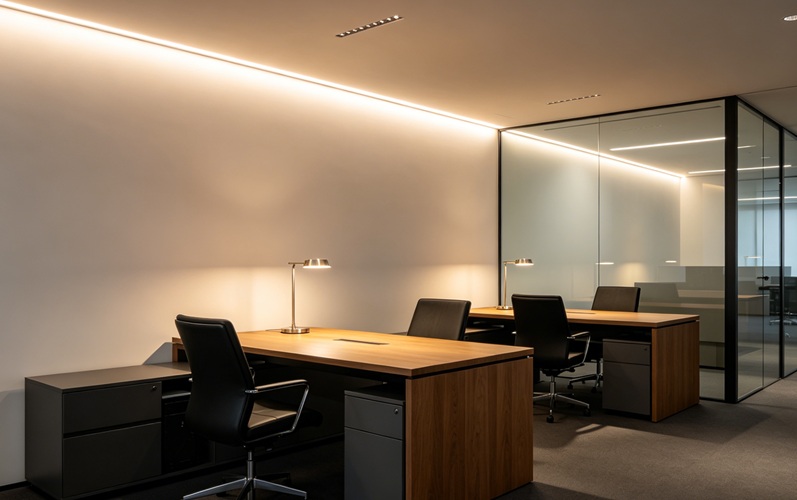
Lighting has a significant impact on workplace productivity, comfort, and employee well-being. In modern office design, lighting is no longer limited to basic ceiling fixtures that simply illuminate the workspace. Instead, companies are increasingly adopting layered lighting strategies that combine functionality, aesthetics, and energy efficiency.
Among the various lighting solutions available today, LED strip lighting has become a popular choice for office environments. Its slim profile, flexibility, and uniform light output allow designers to integrate lighting seamlessly into ceilings, furniture, architectural features, and workstations.
When used strategically, LED strip lighting can enhance visual comfort, improve workspace functionality, and create modern office environments that support productivity and collaboration.
In this article, we explore practical ways LED strip lighting can be used in offices to improve lighting quality and workplace experience.
Table of Contents
Ceiling Cove Lighting for Comfortable Ambient Illumination
General lighting in offices should be bright enough for daily tasks but not overly harsh. Excessively bright lighting can cause eye fatigue and reduce employee comfort during long working hours.
LED strip lights installed in ceiling coves provide soft indirect illumination that spreads evenly across the workspace. Because the light reflects off the ceiling rather than shining directly into the eyes, it creates a comfortable ambient environment.
This approach is particularly effective in modern open-plan offices, where indirect lighting helps reduce glare on computer screens while maintaining sufficient brightness throughout the room.
In addition, cove lighting creates a clean and contemporary aesthetic that enhances the overall appearance of the office interior.
Workstation Lighting That Reduces Eye Strain
Employees often spend many hours working on computers or reading documents. Proper lighting around workstations is essential for maintaining visual comfort and reducing eye strain.
LED strip lighting can be integrated into desk panels, shelving units, or overhead workstation structures to provide focused illumination exactly where it is needed.
For example, LED strips installed beneath overhead cabinets can illuminate the desk surface evenly without creating shadows. This type of task lighting ensures that employees can read documents clearly while avoiding excessive brightness from overhead fixtures.
Because LED strip lights provide continuous linear illumination, they distribute light more evenly than traditional spot lighting.
Meeting Room Lighting That Supports Collaboration
Meeting rooms require flexible lighting that supports presentations, discussions, and video conferences. Lighting should be bright enough for clear communication while maintaining a comfortable environment for participants.
LED strip lighting can be used around ceiling perimeters, wall panels, or conference tables to create balanced ambient illumination.
Indirect ceiling lighting combined with adjustable fixtures allows the lighting level to be adjusted depending on the activity. For example, brighter lighting may be used during brainstorming sessions, while softer lighting may be preferred for presentations or video calls.
In some modern meeting rooms, LED strips are integrated into the edges of conference tables to provide subtle illumination that enhances the visual appearance of the space.
Reception and Lobby Lighting That Reflects Brand Image
The reception area is often the first space visitors see when they enter an office building. Lighting in this area plays an important role in shaping the company’s brand image.
LED strip lighting can highlight architectural features such as reception desks, wall logos, or decorative panels. For instance, LED strips installed behind a company logo can create a backlit effect that makes the brand stand out.
Reception desks can also be illuminated from underneath, producing a floating visual effect that adds sophistication to the design.
These subtle lighting details help create a professional and modern impression for clients, partners, and visitors.
Corridor and Pathway Lighting for Safety and Navigation
Office buildings often include corridors, stairways, and transitional spaces that require clear and reliable lighting.
LED strip lights integrated along baseboards, stair edges, or wall recesses can provide soft pathway illumination that improves navigation while maintaining a minimalist aesthetic.
This type of lighting is particularly effective in offices that aim for a clean architectural style with concealed lighting elements.
In addition to improving safety, pathway lighting can help guide visitors through large office spaces, making navigation easier for guests.
Accent Lighting for Interior Design Features
Modern offices often incorporate decorative materials such as wood panels, textured walls, glass partitions, or artwork. LED strip lighting can be used to highlight these elements and enhance the visual identity of the workspace.
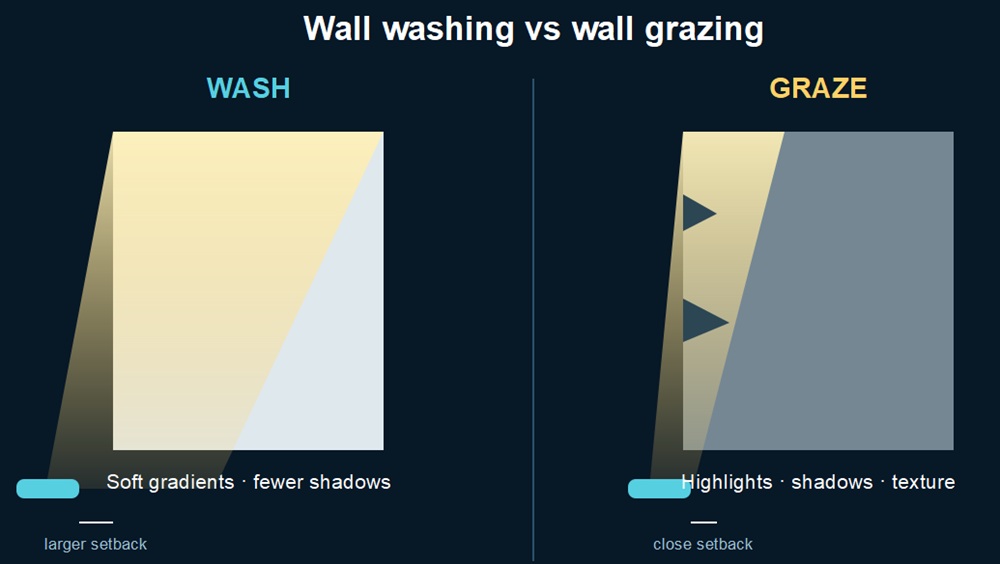
For example, LED strips installed along the edges of wall panels can create gentle wall washing effects that emphasize textures and materials.
Glass partitions can also be illuminated along their frames, creating elegant lines of light that reinforce the modern aesthetic of the office interior.
These subtle lighting accents help create visually interesting environments that feel more inspiring and engaging for employees.
Energy Efficiency and Smart Lighting Control
Energy efficiency is an important consideration for office buildings because lighting systems typically operate for long hours each day.
LED strip lights consume significantly less electricity than traditional fluorescent lighting while delivering consistent brightness and long operational lifespans.
Many modern LED strip systems also support smart lighting controls, including dimming and scheduling functions. Offices can automatically adjust lighting levels based on occupancy or time of day, reducing unnecessary energy consumption.
For example, lighting can be dimmed during periods of low occupancy or turned off automatically after working hours.
These smart control features not only reduce energy costs but also support sustainable building design.
Conclusion
Lighting design has become a key component of modern office environments. Beyond providing basic illumination, lighting now contributes to employee comfort, productivity, and workplace aesthetics.
LED strip lighting offers flexible solutions for office lighting applications, including ceiling coves, workstation task lighting, meeting room illumination, and architectural accents.
By integrating LED strips into office architecture and furniture, designers can create clean, modern workspaces that support both functionality and visual appeal.
With their energy efficiency, long lifespan, and design versatility, LED strip lights have become an essential element in contemporary office lighting design.
Other articles:
12v vs 24v LED strip: which voltage is right for your project?
Which LED Strip Is Better: COB or SMD?
CRI, SDCM & Color Binning Explained: Why Color Quality Matters in LED Strips
What Makes a High-Quality LED Strip? 9 Factors Buyers Must Know
Common LED Strip Lighting Problems and How to Solve Them
Understanding LED Strip Types: Chips, Colors, Voltages & Designs
As a bespoke lighting solution provider, Yiholight specializes in high-quality LED strips and neon flex lights. Our products are engineered for durability, brightness, and ease of installation—trusted by B2B customers across the globe.
Contact us today to explore the best LED lighting for your business!
© [Yiholight] and [www.yiholight.com]. Unauthorized use or duplication of this material is strictly prohibited without express written permission from the site’s author or owner. Excerpts and links may be used, provided full, clear credit is given to [Yiholight] and [www.yiholight.com], with appropriate, specific direction to the original content.