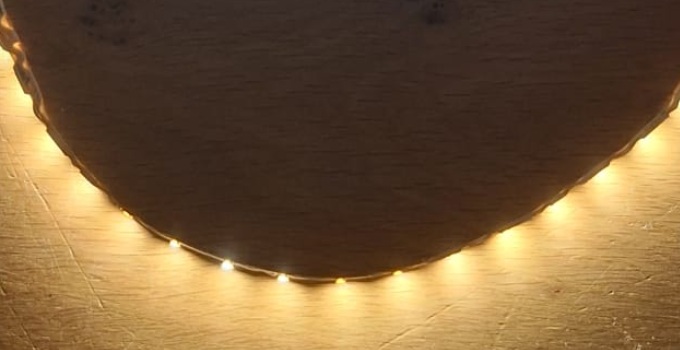
LED strip lighting has become one of the most popular lighting solutions for residential, commercial, retail, hospitality, and architectural projects. However, while many LED strips appear similar on paper, their real-world performance can vary dramatically.
Two LED strips may both claim:
- 24V
- 120 LEDs/m
- 14.4W/m
- CRI 90
Yet one may operate reliably for years, while the other suffers from color inconsistency, voltage drop, premature lumen depreciation, or complete failure within months.
At Yiholight, we have been manufacturing LED strip lights and LED neon flex products since 2013. Through years of OEM and ODM projects, we’ve learned that true LED strip quality depends on far more than basic specifications.
In this guide, we’ll explain the 10 critical factors that separate premium LED strips from low-cost alternatives and help buyers make informed purchasing decisions.
Table of Contents
Why LED Strip Quality Matters
Choosing the wrong LED strip
can lead to:
- Uneven brightness
- Visible color differences
- Flickering issues
- Excessive voltage drop
- Installation failures
- High maintenance costs
- Customer complaints
For commercial projects, replacing a failed LED strip often costs far more than the initial price difference between a premium and a low-cost product.
That’s why professional buyers focus on long-term performance rather than simply comparing prices.
Quick Comparison: Premium vs Cheap LED Strip
| Factor | Premium LED Strip | Low-Cost LED Strip |
|---|---|---|
| LED Chips | Consistent binning | Mixed batches |
| CRI | 90+ | 70-80 |
| SDCM | ≤3 | 5-7 |
| PCB Copper | 2oz | 1oz |
| Heat Management | Optimized | Minimal |
| Voltage Drop | Low | High |
| Waterproofing | Reliable sealing | Basic coating |
| Adhesive | Industrial-grade | Generic tape |
| QC Process | Multi-stage inspection | Limited testing |
| Lifespan | 50,000+ hrs | Often much lower |
LED Chip Quality and Consistency
The LED chip is the heart of every LED strip.
High-quality manufacturers carefully select LED suppliers and maintain strict binning control to ensure consistent brightness and color across production batches.
What can happen with poor-quality chips?
- Rapid lumen depreciation
- Color shifting over time
- Dead LEDs
- Reduced lifespan
What buyers should evaluate
- Chip supplier reputation
- Luminous efficacy
- Reliability testing
- Color consistency between batches
Color Consistency (CRI, SDCM & Binning Control)
Color quality is especially important for:
- Retail stores
- Hotels
- Museums
- Luxury residential projects
- Architectural lighting
Even small color variations become highly visible when multiple strips are installed together.
CRI (Color Rendering Index)
- CRI 80: General lighting
- CRI 90+: Professional applications
SDCM
SDCM measures color consistency.
Recommended values:
- SDCM ≤3: Excellent
- SDCM 4-5: Acceptable
- SDCM >5: Visible variation
Poor binning control often results in different sections appearing slightly green, pink, or yellow.
👉 Related Reading: CRI, SDCM & Color Binning Explained
PCB Design and Copper Thickness
The PCB serves as both the electrical pathway and heat dissipation platform.
A high-quality PCB should feature:
- Thick copper layers
- Uniform trace design
- Strong adhesion
- High mechanical stability
Real Example
Two strips may share identical specifications:
- 24V
- 120 LEDs/m
- 14.4W/m
However:
| Item | Strip A | Strip B |
|---|---|---|
| PCB Copper | 1oz | 2oz |
| Operating Temperature | Higher | Lower |
| Voltage Drop | More Severe | Less Severe |
| Lifespan | Shorter | Longer |
This is why professional projects often specify copper thickness rather than focusing solely on power consumption.
Heat Dissipation Capability
Heat is one of the biggest factors affecting LED lifespan.
Every 10°C increase in operating temperature can significantly accelerate lumen depreciation and component aging.
Factors affecting heat dissipation
- PCB design
- Copper thickness
- LED density
- Installation environment
- Aluminum profile usage
Premium LED strips are designed to operate within safe thermal limits rather than being driven at maximum theoretical output.
👉 Related Reading: Why Heat Dissipation Matters in LED Strip Lighting
Electrical Design and Circuit Stability
Good electrical design ensures consistent brightness and long-term reliability.
Professional LED strips often include:
- Optimized resistor layouts
- Constant-current technology
- Reduced voltage drop design
- Balanced current distribution
Poor electrical design may cause:
- Flickering
- Brightness inconsistency
- Overheating
- Early failure
Voltage Drop Performance
Voltage drop becomes increasingly important in longer installations.
Symptoms include:
- Bright beginning
- Dim end
- Uneven appearance
Typical solutions
- Using 24V instead of 12V
- Power injection
- Ultra-long-run LED strip designs
- Constant-current circuits
For architectural and commercial projects, voltage drop should always be evaluated before installation.
👉 Related Reading: Voltage Drop in LED Strip Lighting
Actual Lumen Output vs Marketing Claims
Not all lumen specifications are measured equally.
Some manufacturers advertise theoretical output under ideal laboratory conditions.
Professional suppliers provide:
- Tested lumen data
- Real operating conditions
- Long-term lumen maintenance information
Buyers should focus on
- Sustained brightness
- Efficiency
- Thermal stability
rather than simply choosing the highest advertised lumen number.
Waterproofing and Environmental Protection
For outdoor applications, waterproof quality directly impacts reliability.
Common IP Ratings
| Rating | Application |
|---|---|
| IP20 | Indoor dry areas |
| IP65 | Splash-resistant locations |
| IP67 | Outdoor environments |
| IP68 | Underwater installations |
Common failure points
- End caps
- Cut points
- Cable entries
- Silicone bonding areas
A well-designed waterproof LED strip should undergo moisture resistance and aging tests before shipment.
Adhesive Quality and Mechanical Reliability
Adhesive performance is often underestimated.
Poor adhesive can lead to:
- Peeling
- Sagging
- Reinstallation costs
- Customer complaints
Premium LED strips typically use:
- Industrial-grade adhesive backing
- Consistent adhesive application
- High-temperature resistance materials
For professional installations, adhesive is often combined with aluminum profiles and mounting clips.
Manufacturing Process and Quality Control
Even the best components can fail without proper manufacturing controls.
Reliable LED strip manufacturers implement:
Incoming Material Inspection
- LED chips
- PCB materials
- Silicone materials
Production Inspection
- Solder quality
- Electrical testing
- Visual inspection
Aging Tests
- Continuous operation testing
- Temperature monitoring
- Functional verification
Final Inspection
- Appearance
- Color consistency
- Packaging verification
Strong quality control systems significantly reduce project risks.
Bonus Factor: Wire Material Inside LEDs
Many buyers never consider the bonding wire used inside LED packages.
Premium LEDs may use:
- Gold wire
- High-quality copper alloy wire
Advantages include:
- Better conductivity
- Improved heat resistance
- Greater long-term stability
This hidden component often contributes significantly to LED reliability.
👉 Related Reading: Why Professional LED Strip Manufacturers Use Gold Wire Instead of Alloy Wire
Why Cheap LED Strips Often Cost More in the Long Run
A lower purchase price can quickly be offset by:
- Product failures
- Labor costs
- Maintenance visits
- Replacement materials
- Project delays
- Customer dissatisfaction
For professional projects, reliability almost always delivers a better return on investment than choosing the cheapest option.
How to Evaluate an LED Strip Supplier
Beyond product specifications, buyers should also assess:
Engineering Support
Can the supplier provide technical recommendations?
Customization Capability
Do they support OEM and ODM projects?
Communication Efficiency
Can they respond quickly to project requirements?
Export Experience
Do they understand international compliance requirements?
A reliable supplier becomes a long-term technical partner rather than simply a product vendor.
FAQ
1. How can I tell if an LED strip is high quality?
Check CRI, SDCM, PCB copper thickness, voltage drop performance, waterproof construction, and manufacturer quality control procedures.
2. Why are some LED strips much more expensive?
Premium products use better LED chips, tighter color binning, thicker PCBs, stronger adhesives, and more extensive testing.
3. Is CRI 90 necessary?
For general lighting, CRI 80 may be sufficient. For retail, hospitality, museums, and premium residential projects, CRI 90+ is generally recommended.
4. What is a good SDCM value?
For professional applications, SDCM ≤3 is preferred to ensure uniform appearance across installations.
5. Which is better: 12V or 24V LED strips?
For longer runs, 24V strips typically provide lower voltage drop and more consistent brightness.
6. Does PCB copper thickness really matter?
Yes. Thicker copper improves heat dissipation, reduces resistance, minimizes voltage drop, and contributes to longer lifespan.
Conclusion
A high-quality LED strip is the result of careful engineering, premium materials, strict manufacturing controls, and thorough testing.
While many products may appear similar at first glance, factors such as LED chip quality, color consistency, PCB design, heat management, electrical stability, and quality control ultimately determine long-term performance.
By understanding these critical factors, buyers can confidently choose LED strips that deliver reliable operation, consistent appearance, and lower lifetime costs.
Looking for a Reliable LED Strip Manufacturer?
Yiholight specializes in:
- COB LED Strip Lights
- High Density LED Strips
- RGB & Digital LED Strips
- Custom LED Strip Solutions
- LED Neon Flex
With OEM & ODM support, strict quality control, and over a decade of manufacturing experience, we help customers worldwide build reliable lighting products and projects.
Learn more:
Why Cheap LED Strip Lights Fail
How PCB Design Affects LED Strip Lifespan
How LED Strip Aging Tests Ensure Long-Term Reliability
Why Professional LED Strip Manufacturers Use Gold Wire
As a bespoke lighting solution provider, Yiholight specializes in high-quality LED strips and neon flex. Our products are engineered for durability, brightness, and ease of installation—trusted by B2B customers across the globe.
Contact us today to explore the best LED lighting for your business!
© [Yiholight] and [www.yiholight.com]. Unauthorized use or duplication of this material is strictly prohibited without express written permission from the site’s author or owner. Excerpts and links may be used, provided full, clear credit is given to [Yiholight] and [www.yiholight.com], with appropriate, specific direction to the original content.