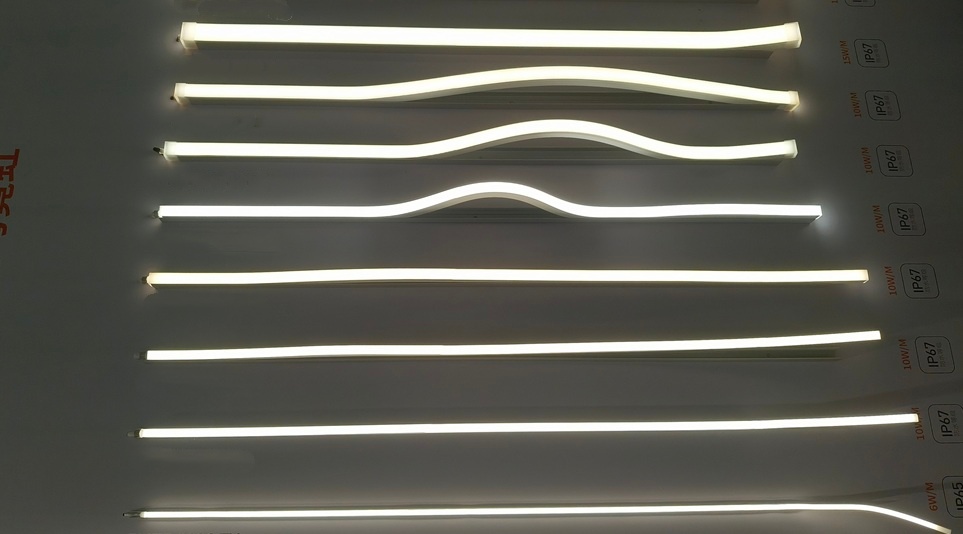
Color temperature is one of the most important factors when designing lighting with LED neon flex. It determines whether a space feels warm and cozy, neutral and balanced, or bright and energetic.
However, many lighting buyers focus only on brightness or power consumption and overlook how color temperature dramatically affects the visual atmosphere of a project.
Choosing the wrong color temperature can make a space feel uncomfortable, distort colors, or reduce the overall visual impact of architectural lighting.
This guide explains:
- What LED color temperature means
- The differences between common lighting tones
- Where each color temperature works best
- How to select the right LED neon flex for different environments
Understanding these factors will help designers and project planners create lighting that enhances both aesthetics and functionality.
Table of Contents
What Is Color Temperature in LED Neon Flex?
Color temperature refers to the appearance of the light produced by a light source, measured in Kelvin (K).
Lower Kelvin values produce warmer, yellowish light, while higher Kelvin values create cooler, bluish light.
Typical LED neon flex color temperatures include:
Color Temperature | Lighting Appearance |
2200K–2700K | Very warm white |
3000K | Warm white |
4000K | Neutral white |
5000K–6500K | Cool white |
Although all these options produce white light, the atmosphere they create is very different.
Color temperature selection is especially important for architectural lighting, interior decoration, and commercial environments, where lighting directly affects mood and perception.
Warm White Neon Flex (2200K–3000K)
Warm white lighting produces a soft yellow glow similar to traditional incandescent lighting.
This color temperature range is widely used to create comfortable and relaxing environments.
Visual Characteristics
Warm white LED neon flex produces:
- soft and cozy illumination
- warm reflections on wood and stone surfaces
- comfortable ambient lighting with minimal glare
It is often used in environments where visual comfort and atmosphere are priorities.
Typical Applications
Warm white neon flex is commonly used in:
- restaurants and cafes
- hotels and hospitality spaces
- residential interiors
- decorative architectural lighting
- landscape lighting
For example, warm white lighting can beautifully highlight wood textures, brick walls, and natural materials, making spaces feel more inviting.
When Warm White Works Best
Warm white lighting is ideal when the goal is to create:
- relaxed environments
- intimate spaces
- cozy atmospheres
However, it may not be suitable for environments where accurate color visibility or high brightness is required.
Neutral White Neon Flex (3500K–4000K)
Neutral white lighting provides a balanced tone between warm and cool light.
It is often considered the most versatile color temperature because it maintains natural color appearance while still feeling comfortable to the eye.
Visual Characteristics
Neutral white LED neon flex produces:
- balanced lighting tone
- natural color rendering
- moderate brightness without excessive warmth
This makes it suitable for spaces that require both comfort and visibility.
Typical Applications
Neutral white lighting is commonly used in:
- retail environments
- commercial buildings
- offices
- modern architectural lighting
- public spaces
In retail settings, neutral white light helps maintain accurate product colors, which improves the customer experience.
Why Many Designers Prefer Neutral White
Designers often choose neutral white because it works well in many environments and complements modern architectural materials such as:
- glass
- metal
- concrete
- light-colored surfaces
Cool White Neon Flex (5000K–6500K)
Cool white lighting produces a bright, bluish-white appearance that feels crisp and energetic.
It provides higher visual clarity and is often used in environments where visibility and brightness are the priority.
Visual Characteristics
Cool white LED neon flex produces:
- strong, bright illumination
- sharp contrast with surrounding surfaces
- modern and clean visual effects
It is particularly effective for highlighting contemporary architecture and signage.
Typical Applications
Cool white lighting is frequently used in:
- commercial signage
- industrial facilities
- modern building facades
- parking structures
- task lighting areas
Because of its brightness and clarity, cool white light can make structures appear more dramatic and visually striking at night.
Considerations When Using Cool White
While cool white lighting offers excellent visibility, it may feel too harsh for relaxed environments such as restaurants or residential spaces.
In these cases, warmer tones usually create a more comfortable atmosphere.
How Surrounding Materials Affect Color Temperature
An important but often overlooked factor in lighting design is how surrounding surfaces reflect light.
Materials such as wood, stone, or colored walls can significantly influence how light appears.
For example:
- warm wood surfaces can make 2700K light appear even warmer
- white walls may reflect light more neutrally
- dark materials may absorb light and reduce brightness
Understanding these interactions helps designers achieve the intended visual effect.
Adjustable Color Temperature (CCT Tunable Neon Flex)
Some modern LED neon flex systems offer adjustable color temperature, also known as CCT tunable lighting.
These systems allow users to change the color temperature between warm and cool white.
Advantages of Tunable Lighting
Adjustable color temperature provides several benefits:
- flexibility for different environments
- dynamic lighting effects
- ability to adapt lighting for day or night use
For example, a space may use neutral white lighting during business hours and warmer tones in the evening.
Common Applications
CCT adjustable neon flex is often used in:
- hotels and hospitality projects
- smart home lighting systems
- commercial showrooms
- high-end architectural installations
Choosing the Right Color Temperature for Your Project
Selecting the right color temperature involves evaluating several factors.
Purpose of the Lighting
Consider whether the lighting is intended for:
- decorative effects
- ambient lighting
- functional illumination
Each purpose may require a different tone.
Environmental Atmosphere
Think about the emotional experience the space should create.
For example:
- warm tones for relaxation
- neutral tones for balance
- cool tones for energy and visibility
Architectural Materials
Materials surrounding the lighting installation influence how color temperature is perceived.
Designers often test lighting samples to ensure the final result matches the intended design.
Why Consistent Color Temperature Matters
In large projects, maintaining consistent color temperature across all lighting elements is essential.
Inconsistent lighting can result in:
- uneven visual appearance
- color mismatches between fixtures
- reduced design quality
Professional manufacturers ensure consistency by using:
- high-quality LED chips
- strict binning processes
- stable power supplies
These measures help maintain uniform lighting throughout the installation.
Yiholight LED Neon Flex Color Options
Yiholight offers LED neon flex products in a wide range of color temperature options suitable for different lighting applications.
Key features include:
- multiple white color temperature options
- RGB and RGBW versions for decorative lighting
- high-quality LEDs for consistent color output
- strict quality control to maintain color stability
These options allow designers and contractors to select the ideal lighting tone for their projects.
Conclusion
Color temperature plays a critical role in the success of any LED neon flex lighting project.
Warm white lighting creates cozy and inviting environments, neutral white provides balanced illumination, and cool white delivers bright and energetic visual effects.
By understanding how color temperature interacts with architecture, materials, and lighting goals, designers can create installations that not only illuminate spaces but also enhance their atmosphere and visual impact.
Choosing the right color temperature ensures that LED neon flex lighting achieves both functional performance and aesthetic excellence.
Other articles:
The Ultimate Guide to LED Neon Flex Strip
ESD Protection in LED Neon Strips: Why Anti-Static Manufacturing Matters
CRI, SDCM & Color Binning Explained: Why Color Quality Matters in LED Strips
What Makes a High-Quality LED Strip? 9 Factors Buyers Must Know
Common LED Strip Lighting Problems and How to Solve Them
Understanding LED Strip Types: Chips, Colors, Voltages & Designs
As a bespoke lighting solution provider, Yiholight specializes in high-quality LED strips and neon flex lights. Our products are engineered for durability, brightness, and ease of installation—trusted by B2B customers across the globe.
Contact us today to explore the best LED lighting for your business!
© [Yiholight] and [www.yiholight.com]. Unauthorized use or duplication of this material is strictly prohibited without express written permission from the site’s author or owner. Excerpts and links may be used, provided full, clear credit is given to [Yiholight] and [www.yiholight.com], with appropriate, specific direction to the original content.