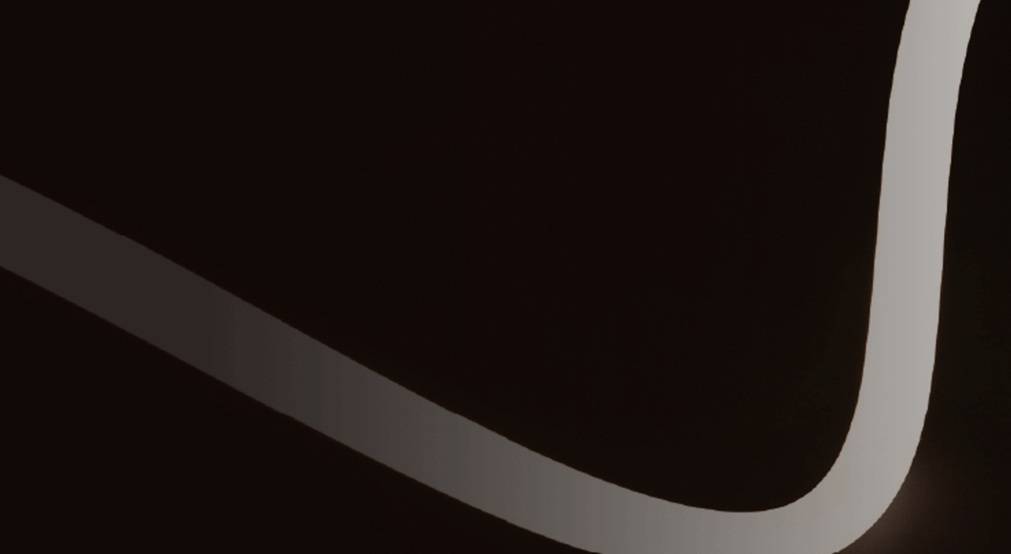
LED neon flex is widely used in architectural lighting, signage, retail decoration, and landscape projects because of its flexibility and continuous light effect. Designers often rely on it to create curved lines, letters, logos, and artistic lighting shapes.
However, one important technical limitation is often overlooked during design and installation: the bending radius.
If LED neon flex is bent too tightly, it can cause problems such as:
- damage to the internal LED strip
- uneven lighting or dark spots
- silicone deformation
- shortened product lifespan
Understanding the correct bending radius helps ensure the lighting installation remains visually smooth, mechanically stable, and long-lasting.
In this guide, we’ll explain:
- what bending radius means
- how it differs for side-bending and top-bending neon flex
- what happens if the strip bends too tightly
- how to design installations that protect the product
Table of Contents
What Is the Bending Radius of LED Neon Flex?
The bending radius refers to the smallest curve a neon flex strip can safely form without damaging its internal structure.
It is usually measured from the center of the curve and expressed in millimeters or centimeters.
For example, a neon flex with a bending radius of 60 mm means the strip should not be bent tighter than a 60 mm curve.
This specification depends on several structural factors, including:
- the silicone housing design
- the internal LED strip structure
- PCB flexibility
- LED chip spacing
Manufacturers normally provide bending radius guidelines to ensure the product performs reliably.
The Difference Between Top-Bending and Side-Bending Neon Flex
LED neon flex can bend in different directions depending on its structural design.
The two most common types are top-bending and side-bending neon flex.
Understanding this difference is essential when designing curved lighting installations.
Top-Bending Neon Flex
Top-bending neon flex bends up and down, similar to how a ribbon curves.
This design works well for:
- architectural outlines
- ceiling lighting
- long curved surfaces
Because the LED strip runs along the horizontal axis, it allows smooth curves in the vertical direction.
However, top-bending neon flex cannot bend left or right easily.
Side-Bending Neon Flex
Side-bending neon flex bends left and right, making it ideal for creating shapes and letters.
This design is widely used for:
- illuminated signage
- channel letters
- decorative patterns
- artistic lighting installations
Because it bends horizontally, it allows designers to create tight curves and detailed shapes.
Typical Bending Radius for LED Neon Flex
The bending radius varies depending on the product size and structure.
Here are typical ranges for common neon flex types.
Neon Flex Type | Typical Bending Radius |
Mini neon flex | 30–50 mm |
Standard neon flex | 60–120 mm |
Large architectural neon | 120–200 mm |
Smaller neon flex products generally allow tighter curves, which makes them suitable for signage and detailed lighting designs.
Larger architectural neon flex products prioritize brightness and durability, which often requires a larger bending radius.
What Happens If Neon Flex Bends Too Tightly?
Exceeding the recommended bending radius can cause several technical problems.
Although the strip may still function initially, long-term reliability may be compromised.
Damage to Internal LED Circuit
Inside the neon flex is a flexible PCB containing the LED chips.
If the strip bends beyond its structural limit, the PCB may experience excessive mechanical stress.
Over time this can cause:
- cracked solder joints
- broken copper traces
- intermittent electrical connections
These issues may lead to flickering or partial lighting failure.
Uneven Light Output
Bending too tightly can distort the silicone housing.
This deformation may cause the diffuser to press against the LED strip, resulting in:
- uneven light distribution
- visible bright spots
- darker sections along the strip
Maintaining the proper bending radius helps preserve the smooth and continuous neon effect.
Reduced Product Lifespan
Mechanical stress combined with heat from the LEDs can accelerate aging inside the strip.
Even if the lighting works initially, excessive bending may shorten the overall lifespan of the product.
For long-term architectural installations, avoiding these stresses is essential.
Design Tips for Curved Neon Flex Installations
Proper planning during the design stage helps avoid bending problems during installation.
Plan Curves Based on Product Specifications
Before designing lighting shapes or outlines, check the manufacturer’s minimum bending radius specification.
Designing curves slightly larger than the minimum radius helps reduce installation stress.
Use Appropriate Mounting Channels
Aluminum mounting channels or guides can help maintain smooth curves.
These accessories provide several benefits:
- consistent bending shape
- improved heat dissipation
- secure installation
Channels are especially useful for large architectural lighting installations.
Avoid Twisting the Neon Flex
LED neon flex is designed to bend in one specific direction.
Twisting the strip while bending may damage the internal structure.
Installers should carefully align the strip with the intended bending direction.
Why Neon Flex Structure Affects Bending Ability
Different neon flex designs offer different levels of flexibility.
Several internal factors influence bending performance.
Silicone Housing Design
High-quality silicone materials maintain flexibility even after long-term outdoor exposure.
Inferior materials may become stiff over time, reducing bending capability.
PCB Thickness
The thickness of the internal PCB affects both durability and flexibility.
A thicker PCB provides better electrical stability but may slightly increase the minimum bending radius.
Manufacturers must balance mechanical strength and flexibility.
LED Density
Higher LED density can improve brightness and uniformity but may slightly limit bending flexibility due to tighter component spacing.
Careful internal design ensures that brightness and flexibility remain balanced.
Testing and Quality Control
Reliable LED neon flex manufacturers perform mechanical and aging tests to verify bending durability.
These tests simulate real-world installation conditions and repeated bending stress.
Professional production also includes:
- ESD anti-static manufacturing environments
- strict material quality control
- long-term aging tests
These measures ensure the product can maintain both flexibility and reliability during installation and long-term operation.
Yiholight LED Neon Flex Flexibility Advantages
Yiholight neon flex products are designed to offer both excellent bending performance and reliable durability.
Key features include:
- flexible silicone housing materials
- optimized internal PCB structure
- multiple bending directions (top and side bending options)
- strict quality inspection and aging tests
These design improvements help ensure smooth installation and long-lasting lighting performance.
Conclusion
The bending radius is a critical factor when designing LED neon flex lighting installations.
Understanding the minimum bending limit helps prevent mechanical damage, ensures smooth lighting curves, and protects long-term reliability.
By selecting the correct neon flex type—whether top-bending or side-bending—and following proper installation guidelines, designers and installers can create visually stunning lighting effects without compromising product performance.
With proper planning and high-quality materials, LED neon flex can deliver flexible, durable, and beautifully continuous lighting for a wide range of architectural and decorative projects.
Other articles:
The Ultimate Guide to LED Neon Flex Strip
ESD Protection in LED Neon Strips: Why Anti-Static Manufacturing Matters
CRI, SDCM & Color Binning Explained: Why Color Quality Matters in LED Strips
What Makes a High-Quality LED Strip? 9 Factors Buyers Must Know
Common LED Strip Lighting Problems and How to Solve Them
Understanding LED Strip Types: Chips, Colors, Voltages & Designs
As a bespoke lighting solution provider, Yiholight specializes in high-quality LED strips and neon flex lights. Our products are engineered for durability, brightness, and ease of installation—trusted by B2B customers across the globe.
Contact us today to explore the best LED lighting for your business!
© [Yiholight] and [www.yiholight.com]. Unauthorized use or duplication of this material is strictly prohibited without express written permission from the site’s author or owner. Excerpts and links may be used, provided full, clear credit is given to [Yiholight] and [www.yiholight.com], with appropriate, specific direction to the original content.