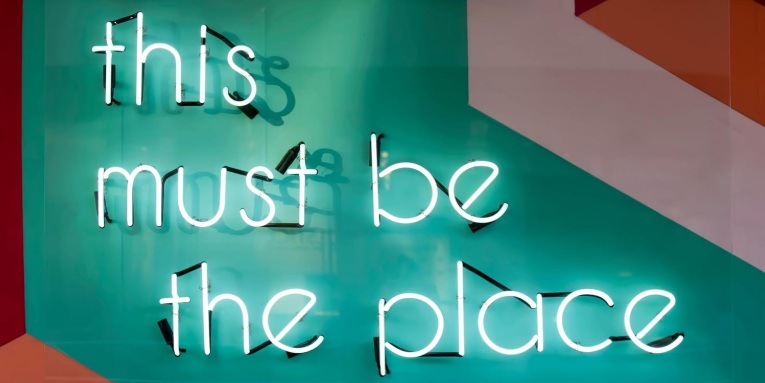
For decades, traditional glass neon signs were the most popular choice for decorative lighting in storefronts, restaurants, bars, and architectural projects. Their distinctive glowing tubes became an iconic part of urban landscapes.
However, in recent years, LED neon flex has emerged as a modern alternative that offers greater efficiency, durability, and design flexibility.
Many project designers and business owners now face an important question:
Should you choose LED neon flex or traditional glass neon?
In this guide, we will compare both lighting technologies in terms of:
- Lighting technology and structure
- Energy efficiency and operating cost
- Safety and durability
- Installation complexity
- Design flexibility
- Long-term maintenance
By understanding these differences, you can choose the lighting solution that best fits your project.
Table of Contents
Technology and Structure
Although LED neon flex and traditional neon lighting look similar from a distance, their internal technologies are completely different.
Traditional Glass Neon
Traditional neon signs are made from hand-bent glass tubes filled with inert gases such as neon or argon.
When high voltage electricity passes through the gas, it produces a glowing effect. The color depends on the type of gas and the coating inside the glass tube.
Key characteristics include:
- fragile glass tubing
- high-voltage transformers
- manual glass bending process
- specialized craftsmanship required
Because each sign must be handcrafted, production is both time-consuming and expensive.
LED Neon Flex
LED neon flex replaces gas-filled glass tubes with LED strips enclosed inside flexible silicone or PVC tubing.
The outer material diffuses the LED light, creating a soft glow similar to neon while using modern LED technology.
Typical structure includes:
- high-density LED strip
- silicone or PVC diffuser
- flexible housing
- low-voltage power supply
This design allows LED neon flex to provide similar visual effects with improved durability and efficiency.
Energy Efficiency and Operating Cost
Energy efficiency is one of the biggest reasons many businesses are switching from traditional neon to LED neon flex.
Traditional Neon Power Consumption
Glass neon signs operate at high voltage and relatively high power consumption.
Typical characteristics:
- higher energy usage
- transformers that generate heat
- increased electricity costs over time
In large installations, traditional neon lighting can significantly increase operating expenses.
LED Neon Flex Power Consumption
LED neon flex uses low-voltage LED technology, which is far more energy efficient.
Typical benefits include:
- up to 70% lower power consumption
- minimal heat generation
- reduced electricity costs
For commercial environments such as retail stores, hotels, and restaurants, the long-term energy savings can be substantial.
Safety Considerations
Safety is another major factor when comparing neon lighting technologies.
High Voltage in Traditional Neon
Traditional neon signs require high-voltage transformers, often ranging from 3,000 to 15,000 volts.
Potential risks include:
- electrical hazards
- overheating transformers
- glass breakage
- fire risks if damaged
Because of these risks, installation and maintenance must be performed by trained neon technicians.
Low Voltage Operation in LED Neon Flex
LED neon flex typically operates at 12V or 24V DC, which is significantly safer.
Advantages include:
- lower electrical risk
- minimal heat generation
- safer operation in public spaces
This makes LED neon flex suitable for environments such as:
- shopping malls
- restaurants
- hotels
- residential spaces
Durability and Lifespan
Durability is another area where LED neon flex offers clear advantages.
Fragility of Glass Neon
Traditional neon signs are made from thin glass tubes, which are easily damaged.
Common issues include:
- cracking during transportation
- breakage during installation
- damage from vibration or impact
Once broken, the entire tube must usually be replaced.
Flexible and Impact-Resistant LED Neon Flex
LED neon flex uses flexible silicone or PVC materials, making it far more resistant to damage.
Key benefits include:
- shock resistance
- vibration resistance
- weather resistance
High-quality LED neon flex products can last 30,000 to 50,000 hours or more, depending on LED quality and operating conditions.
Installation Complexity
Installation requirements differ significantly between these two lighting technologies.
Traditional Neon Installation
Installing traditional neon signs involves several specialized steps:
- mounting fragile glass tubes
- connecting high-voltage transformers
- insulating electrical connections
- careful handling during installation
Because of these complexities, installation typically requires skilled neon technicians.
LED Neon Flex Installation
LED neon flex is designed for simple and flexible installation.
Common installation methods include:
- aluminum mounting channels
- clips or brackets
- adhesive backing in some applications
Because the material is flexible, it can be easily installed along curves, corners, and irregular shapes.
This reduces both installation time and labor costs.
Design Flexibility
Modern lighting designers often prefer LED neon flex because of its creative possibilities.
Limitations of Glass Neon
Glass neon tubes must be carefully heated and bent by hand.
This process limits:
- bending angles
- production speed
- design complexity
Creating complex shapes can be expensive and time-consuming.
Creative Possibilities with LED Neon Flex
LED neon flex can bend easily along curves and contours, making it ideal for creative designs.
Design possibilities include:
- architectural outlines
- curved signage
- decorative lighting patterns
- custom shapes and logos
Some specialized neon flex products also allow side bending or top bending, providing even more design flexibility.
Maintenance Requirements
Maintenance costs can significantly impact the long-term value of a lighting installation.
Maintenance of Traditional Neon
Glass neon signs require periodic maintenance because components can fail over time.
Common issues include:
- gas leakage
- transformer failure
- tube breakage
Repairs usually require specialized neon technicians, which increases maintenance costs.
Maintenance of LED Neon Flex
LED neon flex generally requires minimal maintenance.
Most issues can be resolved by replacing:
- power supplies
- connectors
- individual strip sections
Because the product is modular, repairs are usually faster and less expensive.
Environmental Impact
Sustainability has become an important factor in modern lighting design.
Environmental Concerns with Glass Neon
Traditional neon lighting can have environmental drawbacks:
- higher energy consumption
- glass waste from broken tubes
- disposal challenges for transformers
LED Neon Flex Sustainability
LED neon flex offers a more environmentally friendly solution.
Advantages include:
- lower energy consumption
- longer lifespan
- reduced material waste
These factors contribute to more sustainable lighting projects.
Which One Should You Choose?
Both lighting technologies have their place in modern design.
Traditional glass neon may still be preferred for:
- vintage signage restoration
- historical design projects
- authentic retro aesthetics
However, for most modern applications, LED neon flex provides clear advantages in terms of:
- safety
- energy efficiency
- durability
- design flexibility
- installation simplicity
For commercial and architectural projects, LED neon flex is often the more practical and cost-effective solution.
Why Choose Yiholight LED Neon Flex
Yiholight offers professional LED neon flex solutions designed for architectural, signage, and commercial lighting projects.
Key advantages include:
- high-quality silicone materials
- uniform dot-free illumination
- multiple bending options (top-bending and side-bending)
- IP65, IP67, and IP68 waterproof versions
- ESD anti-static manufacturing process
With strict quality control and aging tests, Yiholight products are designed to provide stable performance and long service life.
Conclusion
While traditional glass neon lighting has played an important role in lighting history, modern LED neon flex technology offers significant advantages in energy efficiency, safety, durability, and design flexibility.
For most contemporary lighting projects—especially in retail, architecture, and hospitality—LED neon flex provides a more practical and reliable solution.
By combining the visual appeal of neon lighting with the efficiency of LED technology, neon flex has become a preferred choice for designers and lighting professionals worldwide.
Other articles:
The Ultimate Guide to LED Neon Flex Strip
ESD Protection in LED Neon Strips: Why Anti-Static Manufacturing Matters
CRI, SDCM & Color Binning Explained: Why Color Quality Matters in LED Strips
What Makes a High-Quality LED Strip? 9 Factors Buyers Must Know
Common LED Strip Lighting Problems and How to Solve Them
Understanding LED Strip Types: Chips, Colors, Voltages & Designs
As a bespoke lighting solution provider, Yiholight specializes in high-quality LED strips and neon flex lights. Our products are engineered for durability, brightness, and ease of installation—trusted by B2B customers across the globe.
Contact us today to explore the best LED lighting for your business!
© [Yiholight] and [www.yiholight.com]. Unauthorized use or duplication of this material is strictly prohibited without express written permission from the site’s author or owner. Excerpts and links may be used, provided full, clear credit is given to [Yiholight] and [www.yiholight.com], with appropriate, specific direction to the original content.