Lighting plays a crucial role in commercial environments such as hotels, offices, retail stores, restaurants, and architectural spaces. In recent years, LED strip lighting has become one of the most popular lighting solutions for commercial projects due to its flexibility, energy efficiency, and modern design possibilities.
However, selecting the right LED strip lights for a commercial installation requires more careful consideration than choosing lighting for residential use. Commercial lighting systems often operate for long hours, cover large areas, and must meet strict requirements for brightness, durability, and consistency.
For architects, lighting designers, project contractors, and facility managers, choosing the right LED strip lights ensures reliable performance, reduced maintenance costs, and a better lighting experience for the people who use the space.
In this guide, we explore the most important factors to consider when choosing LED strip lights for commercial lighting projects.
Table of Contents
Determine the Purpose of the Lighting
The first step in selecting LED strip lights is understanding the purpose of the lighting within the space. Different applications require different lighting characteristics.
For example, ambient lighting is designed to provide general illumination for a space. In offices or retail environments, this type of lighting should create a comfortable and evenly lit environment.
Task lighting, on the other hand, focuses on specific work areas where visibility is important. Examples include lighting under shelves in retail stores, under cabinets in kitchens, or along workstations in offices.
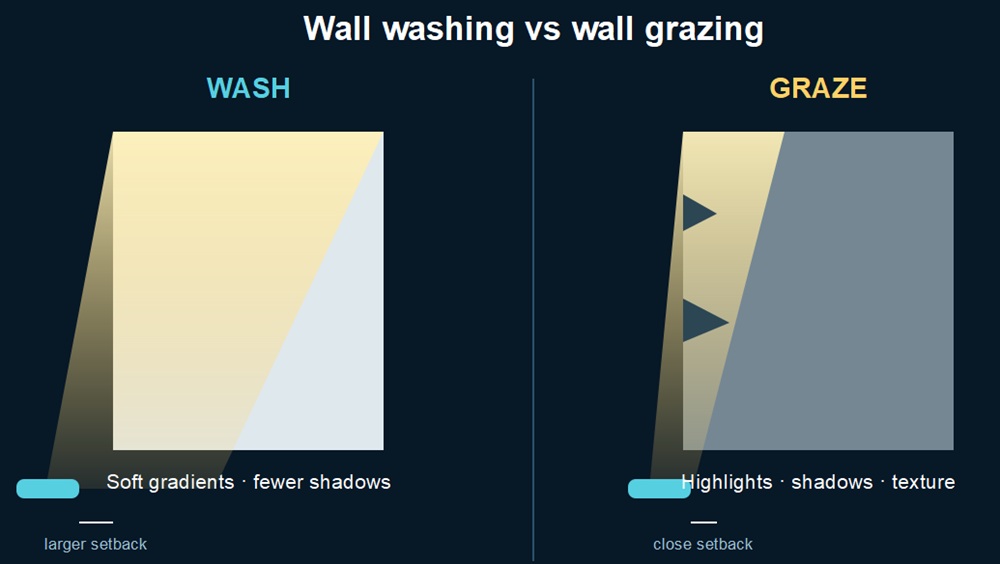
Accent lighting is used to highlight architectural features, products, or decorative elements. This type of lighting is common in hotels, restaurants, and luxury retail stores.
By clearly defining the role of the lighting, designers can determine the appropriate brightness, color temperature, and strip type required for the project.
Choose the Right Brightness Level
Brightness is one of the most important parameters when selecting LED strip lights. It is typically measured in lumens per meter.
Commercial environments often require higher brightness levels than residential spaces, especially in areas where visibility is essential.
For example, retail displays and workspaces may require brighter lighting to ensure products and details are clearly visible. In contrast, hospitality spaces such as hotels and restaurants often prefer softer lighting to create a comfortable atmosphere.
Typical brightness ranges include:
- Decorative lighting: 300–600 lumens per meter
- Ambient lighting: 600–1200 lumens per meter
- Task lighting: 1200–2000 lumens per meter
Choosing the correct brightness ensures the lighting meets functional requirements while maintaining energy efficiency.
Consider LED Density and Light Uniformity
LED density refers to the number of LED chips placed on each meter of the strip. The density of LEDs directly affects the smoothness and uniformity of the light.
Low-density LED strips may create visible light dots when installed in exposed areas. While this may be acceptable for certain decorative uses, many commercial applications require smoother and more continuous lighting.
Higher-density strips produce more uniform light and are particularly important when the strip is installed in aluminum profiles or visible architectural features.
Typical densities include:
- 60 LEDs per meter: suitable for basic lighting
- 120 LEDs per meter: smoother illumination
- 240 LEDs per meter or more: premium uniform lighting
In high-end hospitality and retail projects, designers often choose higher-density strips to achieve a more refined visual effect.
Select the Appropriate Color Temperature
Color temperature has a significant influence on how a space feels and how objects appear under the lighting.
Different commercial environments typically use different color temperatures depending on their design goals.
Warm white (2700K–3000K) creates a cozy and relaxing atmosphere. It is widely used in hotels, restaurants, and hospitality environments.
Neutral white (3500K–4000K) provides a balanced light that works well in offices, retail stores, and commercial interiors.
Cool white (5000K or above) produces bright and crisp lighting often used in industrial environments or warehouses.
Choosing the correct color temperature ensures that the lighting supports the intended mood and functionality of the space.
Evaluate Color Rendering Index (CRI)
The Color Rendering Index (CRI) measures how accurately a light source reveals colors compared with natural daylight.
In commercial environments where visual appearance matters, high CRI lighting is essential. Products in retail stores, food in restaurants, and interior design materials all appear more attractive under lighting with better color rendering.
A CRI of 80 or above is generally acceptable for basic commercial lighting, while CRI 90 or higher is recommended for environments where color accuracy is critical.
High CRI lighting improves the visual quality of spaces and enhances customer perception of products and environments.
Check the IP Rating for Environmental Protection
LED strip lights are available with different levels of protection against dust and moisture. This protection level is indicated by the IP rating.
Choosing the correct IP rating ensures the lighting system performs reliably in different environments.
Common options include:
IP20 – suitable for dry indoor environments such as offices and retail stores.
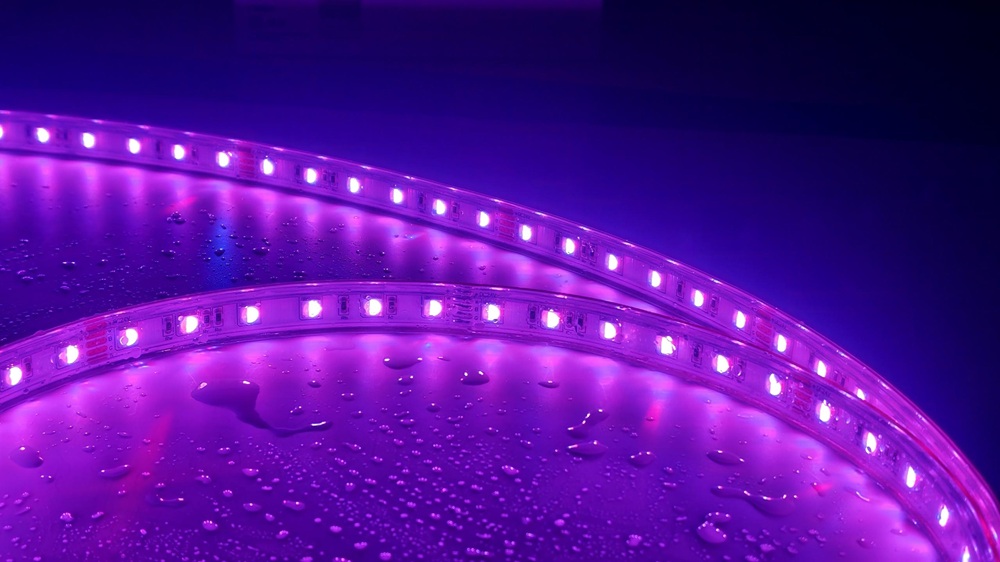
IP65 – provides protection against moisture and splashes, suitable for kitchens or semi-outdoor spaces.
IP67 / IP68 – designed for outdoor environments where lighting may be exposed to rain, humidity, or water.
For architectural lighting projects or outdoor installations, higher waterproof ratings are essential to ensure long-term durability.
Choose the Right Voltage System
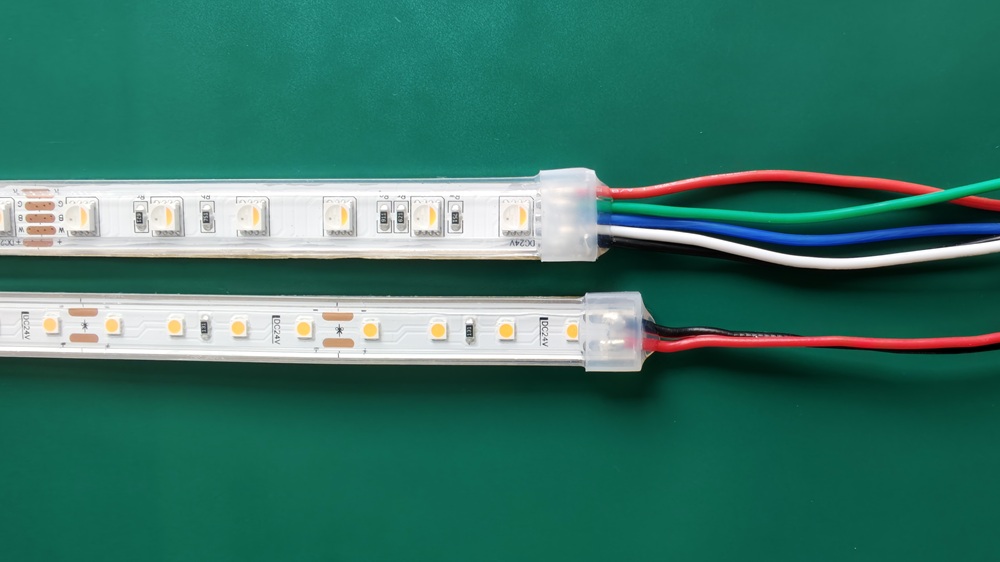
LED strip lights are typically available in several voltage options, most commonly 12V and 24V.
For commercial projects, 24V systems are usually preferred because they provide better electrical stability and allow longer installation runs without noticeable brightness drop.
Longer runs reduce the number of power injection points required during installation, simplifying wiring and improving system reliability.
For very large architectural projects, higher voltage systems may also be used to support extended lighting installations.
Consider Installation and Accessories
Proper installation plays an important role in achieving professional lighting results.
Many commercial LED strip installations use aluminum profiles to hold the LED strip in place. These profiles help dissipate heat, extend the lifespan of the LEDs, and improve the visual appearance of the lighting system.
Diffusers are often added to aluminum profiles to soften the light and create a smooth, continuous lighting effect.
Other important accessories include connectors, mounting clips, and compatible power supplies. Ensuring that all components work together helps avoid installation issues and ensures reliable performance.
Evaluate Product Reliability and Manufacturer Quality
Commercial lighting systems are expected to operate for many years with minimal maintenance. For this reason, product reliability and manufacturer quality are extremely important.
When selecting LED strip lights for commercial projects, buyers often consider several factors:
- Consistent product quality
- Stable brightness and color performance
- Reliable manufacturing processes
- Customization capability
- Fast and dependable delivery
Working with experienced LED manufacturers can help ensure that the lighting products meet the technical and performance requirements of commercial installations.
Energy Efficiency and Long-Term Cost Savings
Energy efficiency is a major advantage of LED lighting compared with traditional lighting technologies.
LED strip lights consume significantly less electricity while providing consistent brightness and long operational lifespans. This makes them particularly suitable for commercial environments where lighting may operate for many hours each day.
Lower energy consumption reduces operational costs, while longer lifespans reduce maintenance and replacement expenses.
Over time, these advantages make LED strip lighting a cost-effective solution for large commercial projects.
Conclusion
Choosing the right LED strip lights for commercial projects requires careful evaluation of several technical and practical factors. Brightness, LED density, color temperature, CRI, waterproof protection, and voltage all influence the performance of the lighting system.
By understanding these key parameters, architects, designers, and contractors can select LED strip lighting solutions that meet both functional and aesthetic requirements.
With their flexibility, energy efficiency, and modern design capabilities, LED strip lights have become an essential component of contemporary commercial lighting systems.
When properly selected and installed, they provide reliable, efficient, and visually appealing lighting for a wide range of commercial environments.
Other articles:
12v vs 24v LED strip: which voltage is right for your project?
Which LED Strip Is Better: COB or SMD?
CRI, SDCM & Color Binning Explained: Why Color Quality Matters in LED Strips
What Makes a High-Quality LED Strip? 9 Factors Buyers Must Know
Common LED Strip Lighting Problems and How to Solve Them
Understanding LED Strip Types: Chips, Colors, Voltages & Designs
As a bespoke lighting solution provider, Yiholight specializes in high-quality LED strips and neon flex lights. Our products are engineered for durability, brightness, and ease of installation—trusted by B2B customers across the globe.
Contact us today to explore the best LED lighting for your business!
© [Yiholight] and [www.yiholight.com]. Unauthorized use or duplication of this material is strictly prohibited without express written permission from the site’s author or owner. Excerpts and links may be used, provided full, clear credit is given to [Yiholight] and [www.yiholight.com], with appropriate, specific direction to the original content.