Lighting is one of the most powerful tools in retail design. It influences how products look, how customers move through a store, and how long they stay. Yet when planning display lighting, many retailers face the same question:
Should we use shelf lighting or spotlights?
Both approaches are widely used in retail environments. Spotlights have long been the traditional solution for highlighting products, while LED strip shelf lighting has become increasingly popular in modern store designs.
Each method has its strengths, but they serve different purposes. Understanding how they affect product visibility, visual hierarchy, and the customer experience can help retailers choose the most effective solution.
In this article, we’ll explore the differences between retail shelf lighting and spotlights, when each works best, and why many modern stores combine the two for optimal results.
Table of Contents
How Spotlights Work in Retail Displays
Spotlights are directional light fixtures that project focused beams onto specific areas or objects. In retail environments, they are commonly mounted on ceiling tracks or recessed fixtures.
Their main purpose is to create emphasis. A spotlight can isolate a product or display from its surroundings, drawing immediate attention to it.
For example, in a clothing store, spotlights are often used to illuminate mannequins or promotional displays. In electronics or jewelry stores, they can highlight premium products placed on display stands.
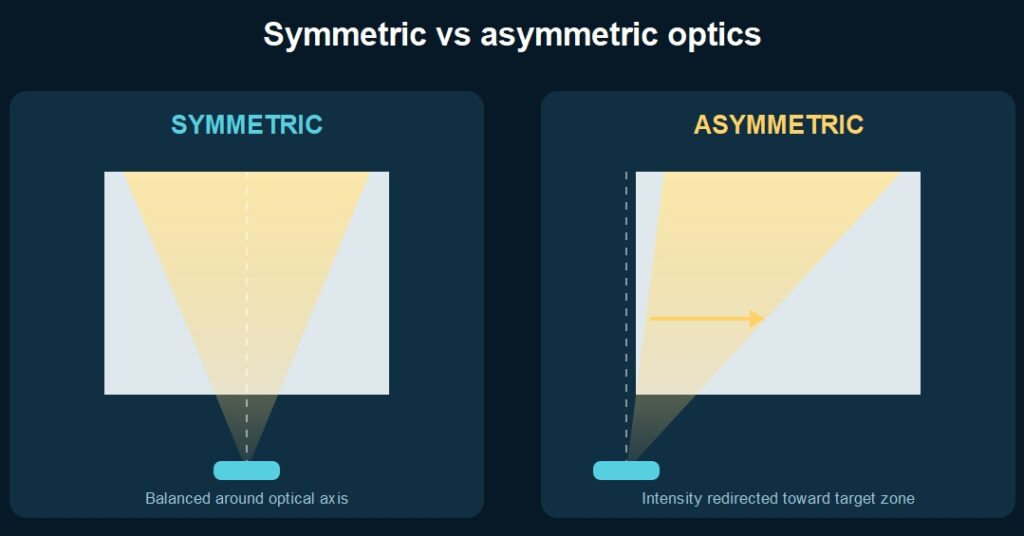
Because spotlights concentrate light in a narrow beam, they create strong contrast between the illuminated object and the surrounding environment. This contrast naturally attracts the human eye.
However, the same focused beam that makes spotlights powerful can also create limitations in certain retail situations.
The Limitations of Spotlights for Shelf Displays
While spotlights work well for focal displays, they are less effective when used for large shelving systems.
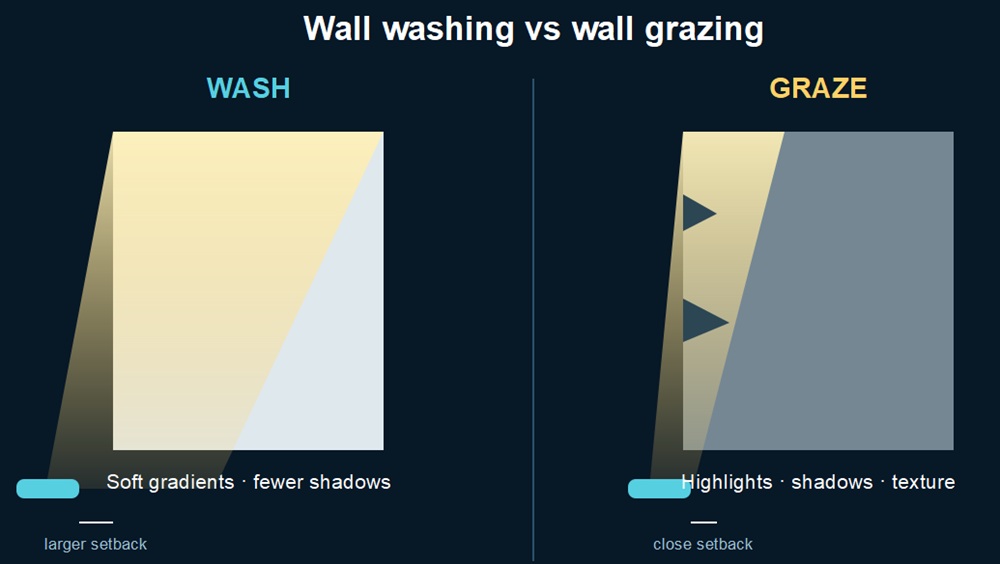
Retail shelves often contain many products arranged in rows or layers. When spotlights are used alone, they typically illuminate only a portion of the shelf. Some areas receive strong brightness while others remain relatively dark.
This uneven lighting creates several problems.
First, customers may overlook products located in shadowed areas. Items that are not well illuminated tend to receive less attention, regardless of their quality or price.
Second, shadows created by spotlights can obscure product labels and packaging details. In retail environments where customers need to read information quickly, this can slow down the purchasing process.
Third, strong spotlight beams may produce glare or reflections, especially on glossy packaging or glass surfaces.
For these reasons, spotlights alone rarely provide the best solution for shelf lighting.
How LED Strip Shelf Lighting Works
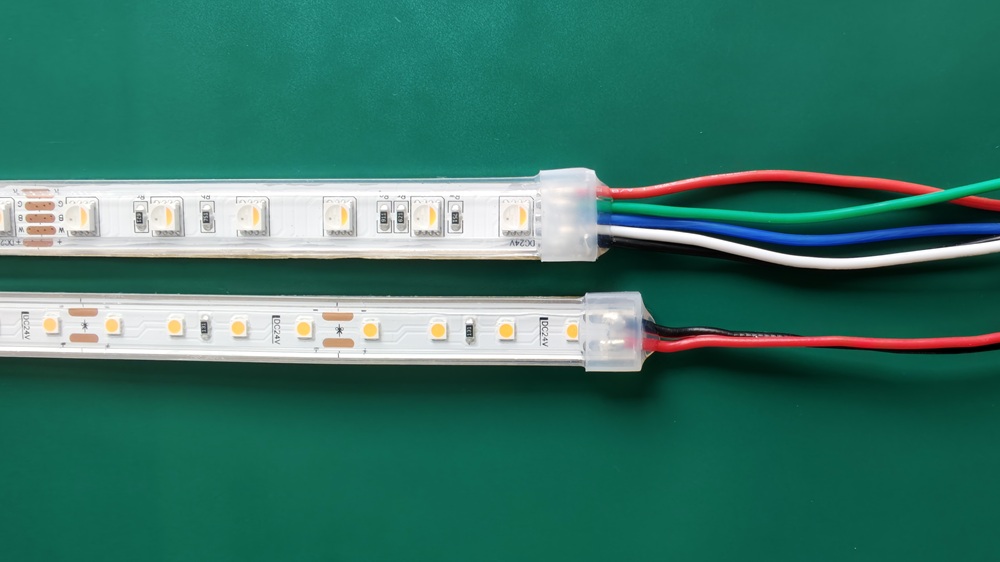
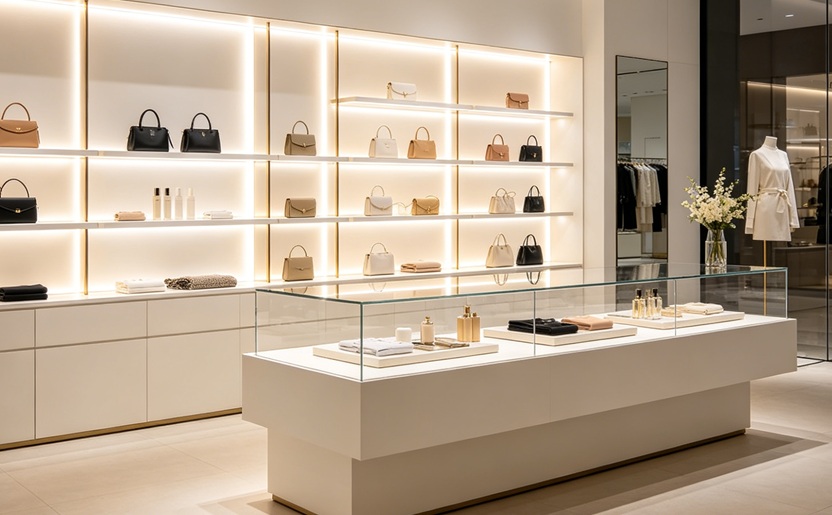
LED strip shelf lighting uses linear light sources installed directly on shelving structures. Typically, LED strips are mounted underneath each shelf level so that the light shines downward onto the products below.
Unlike spotlights, LED strips provide continuous and evenly distributed illumination.
This means every product on the shelf receives similar lighting conditions. Labels, colors, and packaging details remain clearly visible across the entire display.
Shelf lighting also eliminates many of the shadows caused by overhead lighting. Because the light source is positioned close to the products, it can reach areas that ceiling fixtures cannot easily illuminate.
In modern retail design, LED strip lighting is often integrated into shelves during the manufacturing process, creating a seamless and minimalistic appearance.
Product Visibility: Even Illumination vs Focused Highlighting
One of the biggest differences between shelf lighting and spotlights lies in how they affect product visibility.
Spotlights emphasize individual objects. Their narrow beams highlight a specific item or area while leaving the surroundings darker.
Shelf lighting emphasizes product collections. By illuminating the entire shelf evenly, it ensures that every item remains clearly visible.
In stores where customers browse through many options—such as grocery stores, bookstores, electronics shops, or cosmetics stores—consistent shelf lighting is extremely valuable. Customers can quickly scan the display without struggling to see certain items.
Spotlights, in contrast, are better suited for drawing attention to featured products or promotional areas rather than large product assortments.
Visual Comfort and Customer Experience
Lighting quality also affects how comfortable customers feel while browsing.
Strong spotlights can create high contrast and glare, especially when aimed directly toward eye level. This may cause visual discomfort if customers spend extended time looking at shelves.
LED strip shelf lighting produces softer and more uniform brightness. Because the light spreads evenly across the display, it reduces harsh shadows and glare.
This softer illumination encourages customers to spend more time exploring products. In retail environments, longer browsing time often leads to higher purchasing probability.
A well-lit shelf invites customers to approach and examine the products more closely.
Store Aesthetics and Modern Retail Design
Beyond functionality, lighting also contributes to the overall visual identity of a retail store.
Spotlights are visible fixtures that often become part of the ceiling design. In industrial-style stores or showrooms, exposed track lighting can create a dynamic and contemporary look.
LED strip lighting, on the other hand, tends to remain hidden within shelves or architectural elements. This allows the products themselves to become the focus rather than the lighting equipment.
Many modern retail stores prefer this clean and integrated appearance. When shelves glow softly with built-in lighting, the entire display system looks more refined and premium.
This design approach is particularly popular in electronics stores, cosmetics boutiques, and luxury retail environments.
The Best Approach: Combining Shelf Lighting and Spotlights
Instead of choosing one method over the other, many successful retail stores combine shelf lighting and spotlights to achieve the best results.
Shelf lighting provides consistent visibility for everyday browsing. It ensures that all products remain clearly visible and accessible to customers.
Spotlights provide visual drama and emphasis. They highlight key displays, promotional products, or focal areas within the store.
For example, a cosmetics store might use LED strip lighting beneath each shelf to illuminate the entire product range. At the same time, spotlights from the ceiling can highlight a promotional display or brand wall.
This layered lighting strategy creates both clarity and excitement. Customers can easily browse products while still being guided toward featured items.
Energy Efficiency and Maintenance Considerations
Energy efficiency is another important factor in retail lighting design.
Modern LED strip lights are highly energy-efficient and consume relatively little power compared with older lighting technologies. Because they distribute light evenly across shelves, fewer fixtures may be needed to achieve adequate illumination.
Maintenance can also be simpler. LED strips installed within aluminum profiles are protected from dust and physical damage, and they typically have long operational lifespans.
Spotlights, particularly those mounted on tracks, may require more frequent repositioning or adjustments as store displays change.
Retailers who frequently update product arrangements may find integrated shelf lighting easier to maintain over time.
Conclusion
Both spotlights and LED strip shelf lighting play valuable roles in retail display design, but they serve different purposes.
Spotlights excel at creating visual focus and highlighting featured products. Their directional beams draw attention and create contrast within the store.
LED strip shelf lighting excels at providing consistent visibility across product displays. Its even illumination ensures that every item on the shelf can be easily seen and evaluated.
For most retail environments, the most effective solution is a combination of both approaches. Shelf lighting ensures clarity and accessibility, while spotlights create excitement and guide customer attention.
By balancing these two lighting strategies, retailers can create stores that are both visually engaging and highly functional—helping products stand out while making the shopping experience more enjoyable.
Other articles:
12v vs 24v LED strip: which voltage is right for your project?
Which LED Strip Is Better: COB or SMD?
CRI, SDCM & Color Binning Explained: Why Color Quality Matters in LED Strips
What Makes a High-Quality LED Strip? 9 Factors Buyers Must Know
Common LED Strip Lighting Problems and How to Solve Them
Understanding LED Strip Types: Chips, Colors, Voltages & Designs
As a bespoke lighting solution provider, Yiholight specializes in high-quality LED strips and neon flex lights. Our products are engineered for durability, brightness, and ease of installation—trusted by B2B customers across the globe.
Contact us today to explore the best LED lighting for your business!
© [Yiholight] and [www.yiholight.com]. Unauthorized use or duplication of this material is strictly prohibited without express written permission from the site’s author or owner. Excerpts and links may be used, provided full, clear credit is given to [Yiholight] and [www.yiholight.com], with appropriate, specific direction to the original content.