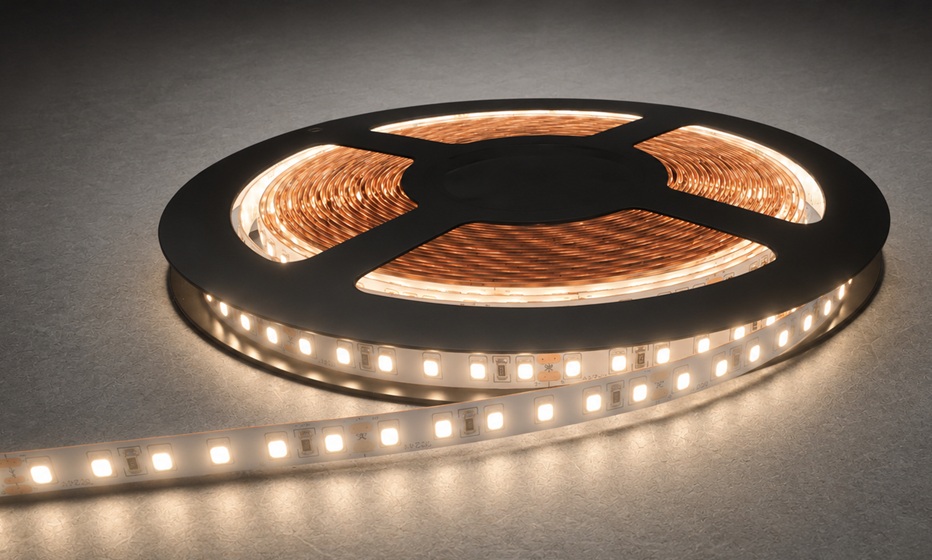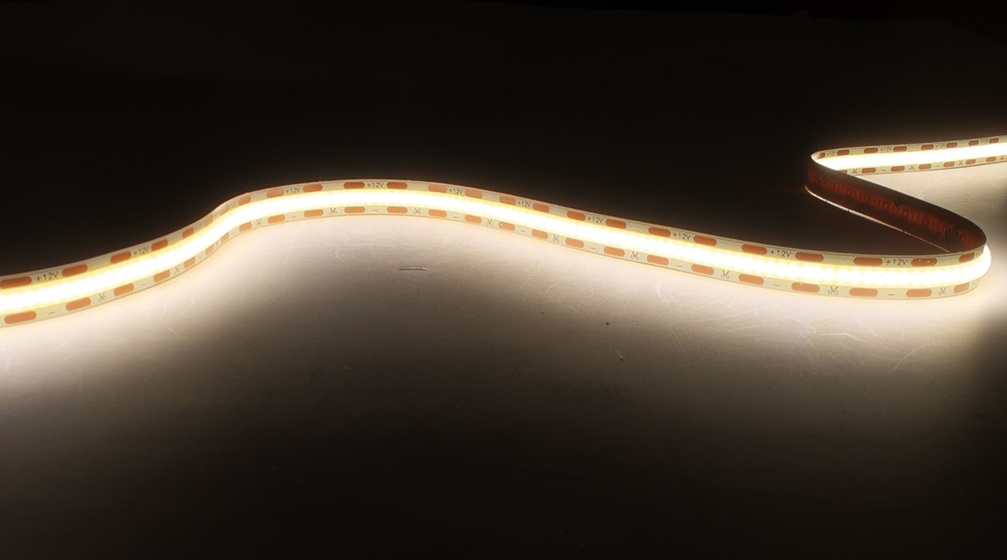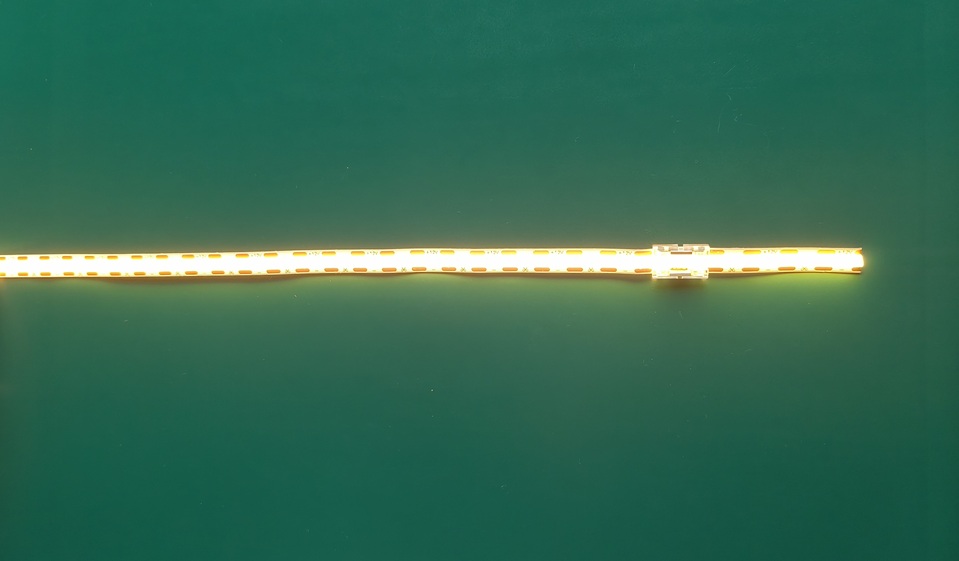
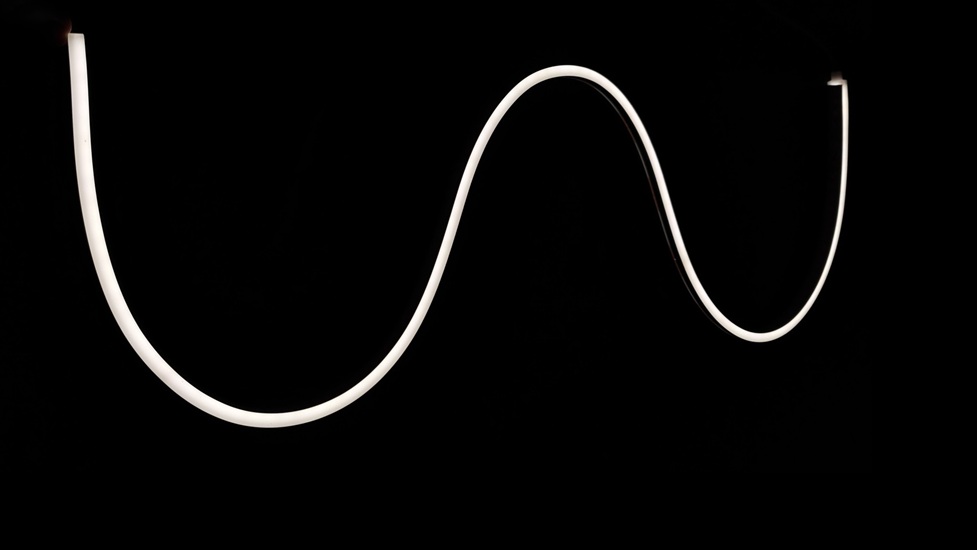
Side-bending LED neon flex strips are one of the most versatile and widely used types of flexible LED lighting. Designed to bend horizontally, side-bending neon flex allows designers and installers to create smooth curves, custom shapes, and striking signage that would be impossible with traditional rigid strips or glass neon tubes.
In this article, we’ll explore everything you need to know about side-bending LED neon flex, including its technical features, applications, installation tips, and maintenance.
Table of Contents
Understanding Side-Bending LED Neon Flex
Side-bending LED neon flex is a specialized type of flexible LED strip that can bend from side to side along its horizontal axis. This is different from top-bending LED neon flex, which bends vertically.
Side-bending strips are typically mounted so that the light emits forward or outward, making them ideal for signage, letters, and curved architectural installations.
Key Features:
- Flexible PCB: Allows horizontal bending without damaging the LED circuit.
- LED Options: Available in COB (Chip on Board) or SMD (Surface-Mount Device) LEDs for dotless or standard lighting.
- Protective Housing: Silicone or PVC coating provides waterproofing, dust resistance, and mechanical protection.
- Uniform Lighting: Designed for smooth, continuous light without hotspots.
Side-bending LED neon flex is perfect when the strip will be visible directly to the viewer, as it ensures a seamless appearance even on curves or around corners.
Technical Specifications to Consider
When choosing side-bending LED neon flex, understanding the technical specifications is essential to ensure both performance and longevity.
Voltage
- 24V Side-Bending Neon Flex: Ideal for longer runs in commercial projects, reducing voltage drop and maintaining brightness.
LED Type
- COB LED: Provides a continuous, dotless light. Ideal for visible applications like signage and letters.
- SMD LED: More cost-effective, good for hidden or accent lighting but may show slight LED dots.
Brightness & LED Density
- LED density determines smoothness and light output.
Typical densities:
- 120–240 LEDs/m for decorative ambient lighting
- 480–600 LEDs/m for high-brightness applications like retail signage or backlit letters
IP Rating
- IP44 – Indoor, dry areas
- IP65 – Semi-outdoor or splash-resistant areas
- IP67/IP68 – Fully waterproof, suitable for outdoor signage and installations exposed to moisture
Color Temperature
- Warm White (2700–3000K) – Cozy, ambient lighting
- Neutral White (3500–4000K) – Balanced, modern look
- White (5000–6500K) – Crisp, commercial task lighting
Choosing the correct voltage, LED type, density, and IP rating ensures the strip meets the project requirements while maintaining performance over time.
Applications of Side-Bending LED Neon Flex
Side-bending LED neon flex is widely used in both commercial and residential projects due to its flexibility and aesthetic appeal.
Signage and Letters
Perfect for creating custom letters, logos, and brand signs.
The horizontal bendability allows designers to outline curves, arcs, and round shapes seamlessly.
Works well for retail, restaurants, hotels, and office branding.
Architectural Accents
Highlight curved walls, ceilings, or coves with smooth lines of light.
Side-bending strips can follow non-linear surfaces without breaking the continuity of light.
Interior Decoration
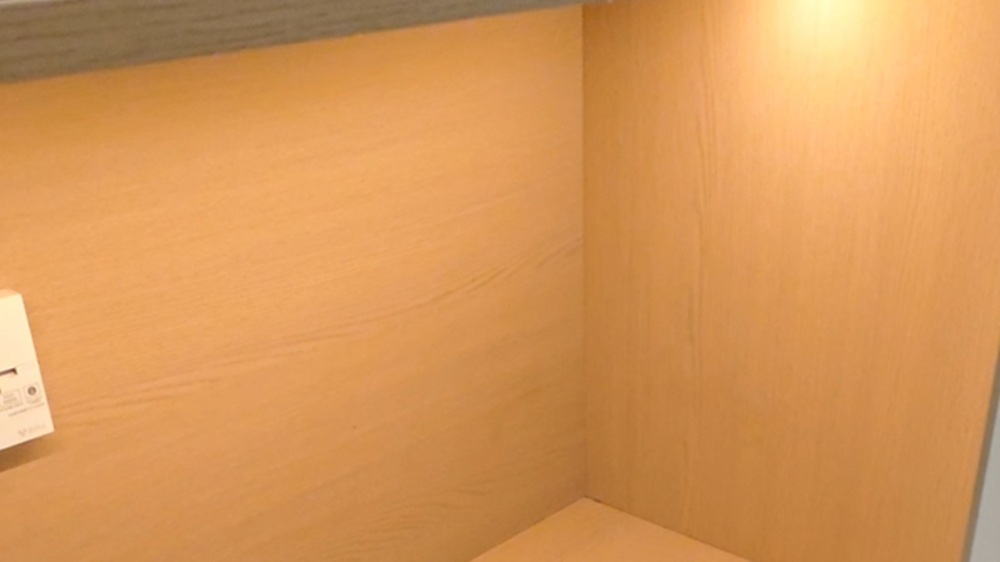
Add mood lighting to furniture, stairs, or shelves.
Use warm white or RGB side-bending neon flex to create cozy or dynamic effects.
Outdoor Applications
Suitable for building facades, shopfronts, or landscape features when IP67/IP68 rated.
Side-bending allows neon flex to follow curved architectural details while withstanding weather exposure.
How to Install Side-Bending LED Neon Flex
Correct installation ensures that side-bending neon flex performs optimally, remains durable, and maintains its aesthetic appeal.
Step 1: Plan Your Layout
Determine the total length and path of the neon flex.
Identify bends and corners to ensure the strip can flex without kinking.
Choose the correct color temperature and LED density based on visibility and application.
Step 2: Mounting Options
Adhesive Backing: Many strips come with pre-applied adhesive tape for smooth surfaces. Ideal for indoor walls or furniture.
Aluminum Channels:
Provides structural support, heat dissipation, and a professional finish.
Use with a diffuser cover for uniform light output.
Mounting Clips:
Secure the strip in outdoor or semi-permanent installations.
Prevent sagging and maintain alignment along curves.
Step 3: Connect Power Supply
Ensure voltage compatibility.
Use a high-quality driver to prevent flicker or voltage drop.
For long runs, consider power injection points to maintain uniform brightness.
Step 4: Bending Techniques
Bend horizontally along the side of the strip; do not bend vertically unless using a top-bending strip.
Follow manufacturer guidelines for minimum bending radius to prevent damage.
Advantages of Side-Bending Neon Flex
Precise Curves – Ideal for letters, logos, and curved architectural designs.
Dotless Illumination – COB options provide smooth, continuous lighting.
Durable and Waterproof Options – Can withstand outdoor and semi-outdoor installations.
Energy Efficient – Up to 80% less power consumption than traditional neon.
Customizable – Available in different lengths, colors, and IP ratings to meet any project requirement.
Side-bending strips allow designers to combine creativity with technical performance, producing visually striking results.
Maintenance and Longevity
Even high-quality side-bending LED neon flex strips require basic maintenance for long-lasting performance.
Anti-Static Handling
Dust can accumulate on the silicone housing, affecting light diffusion.
Choose products with ESD protection to reduce dust attraction.
Cleaning
Use a soft cloth or microfiber cloth for cleaning.
Avoid abrasive chemicals that can damage the silicone coating.
Heat Management
Mounting in aluminum channels improves heat dissipation.
Avoid enclosing the strip in tight, unventilated spaces to prevent overheating.
Driver and Voltage Maintenance
Use stable drivers to prevent flicker and voltage-related brightness loss.
Regularly check for loose connectors or signs of wear.
Proper installation and maintenance can extend the life of your neon flex strip to 50,000 hours or more.
Common Issues and Troubleshooting
Flickering
Cause: Voltage instability or poor connectors
Solution: Use a high-quality driver and check all connections
Brightness Drop
Cause: Voltage drop over long runs
Solution: Use 24V strips for long runs or inject power at multiple points
Uneven Color
Cause: Low-quality LEDs or inconsistent SDCM
Solution: Choose high-quality COB neon flex with low SDCM
Kinking or Damage
Cause: Bending beyond the minimum radius
Solution: Follow manufacturer guidelines for bending and mounting
Choosing the Right Side-Bending Neon Flex
When selecting side-bending neon flex for your project, consider:
- Application Type – Signage, architectural accents, or residential décor
- LED Type – COB for dotless, SMD for cost-efficient options
- Voltage – 24V or 48V
- IP Rating – Indoor, semi-outdoor, or fully waterproof for outdoor installations
- Color Temperature – Warm, neutral, or cool depending on the environment
- Mounting Method – Adhesive, aluminum channels, or clips
By carefully evaluating these factors, you can ensure both aesthetic appeal and long-term reliability.
Why Yiholight Side-Bending Neon Flex is a Top Choice
Yiholight provides high-quality side-bending LED neon flex with advantages including:
- COB and SMD options for dotless and bright lighting
- Customizable OEM/ODM options for length, color, IP rating, and shape
- Anti-static and ESD production to prevent dust and maintain appearance
- Gold wire connections for durability and long lifespan
- Strict quality control including aging tests to ensure performance
Choosing Yiholight guarantees reliability, safety, and premium aesthetic results.
Conclusion
Side-bending LED neon flex strips are a versatile, safe, and visually striking alternative to traditional neon. With their ability to bend horizontally, create smooth curves, and maintain uniform brightness, they are perfect for signage, decorative lighting, architectural accents, and residential projects.
By selecting the right specifications, using proper installation methods, and performing regular maintenance, you can achieve professional, long-lasting results.
For designers, contractors, and lighting enthusiasts, side-bending LED neon flex offers endless creative possibilities while ensuring efficiency, durability, and energy savings.
Other articles:
Side Bending vs Top Bending LED Neon Flex
How to Choose the Right LED Neon Flex
→ Explore Side Bending LED Neon Flex
As a bespoke lighting solution provider, Yiholight specializes in high-quality LED strips and neon flex lights. Our products are engineered for durability, brightness, and ease of installation—trusted by B2B customers across the globe.
Contact us today to explore the best LED lighting for your business!
© [Yiholight] and [www.yiholight.com]. Unauthorized use or duplication of this material is strictly prohibited without express written permission from the site’s author or owner. Excerpts and links may be used, provided full, clear credit is given to [Yiholight] and [www.yiholight.com], with appropriate, specific direction to the original content.