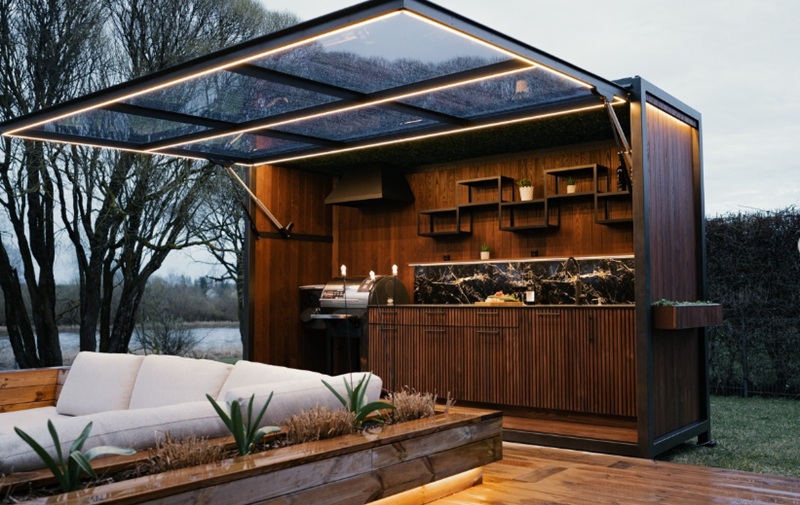
Lighting plays a vital role in modern kitchen design. A well-designed lighting system not only improves visibility for cooking and food preparation but also enhances the overall aesthetic of the kitchen space.
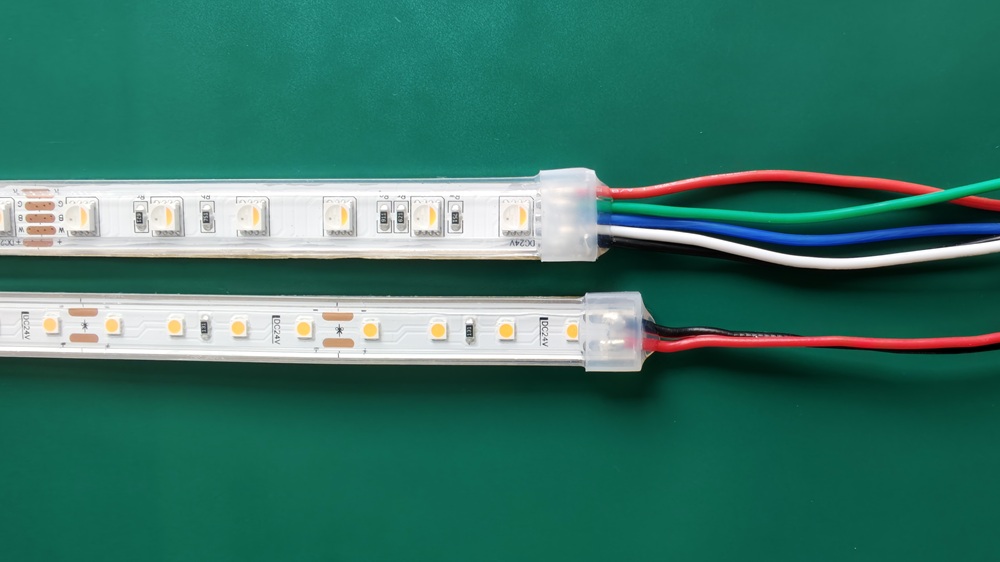
Among the various lighting solutions available today, LED strip lighting for kitchen cabinets has become one of the most popular choices for both homeowners and interior designers. Thanks to their slim design, flexibility, and continuous light output, LED strip lights can be easily installed under cabinets, inside shelves, or along architectural details.
When properly installed, LED strip lighting can transform an ordinary kitchen into a bright, functional, and visually appealing space.
In this guide, we explore how LED strip lights are used in kitchen cabinets and how they improve both functionality and design.
Table of Contents
Under-Cabinet Lighting for Food Preparation
One of the most common applications of LED strip lighting in kitchens is under-cabinet lighting.
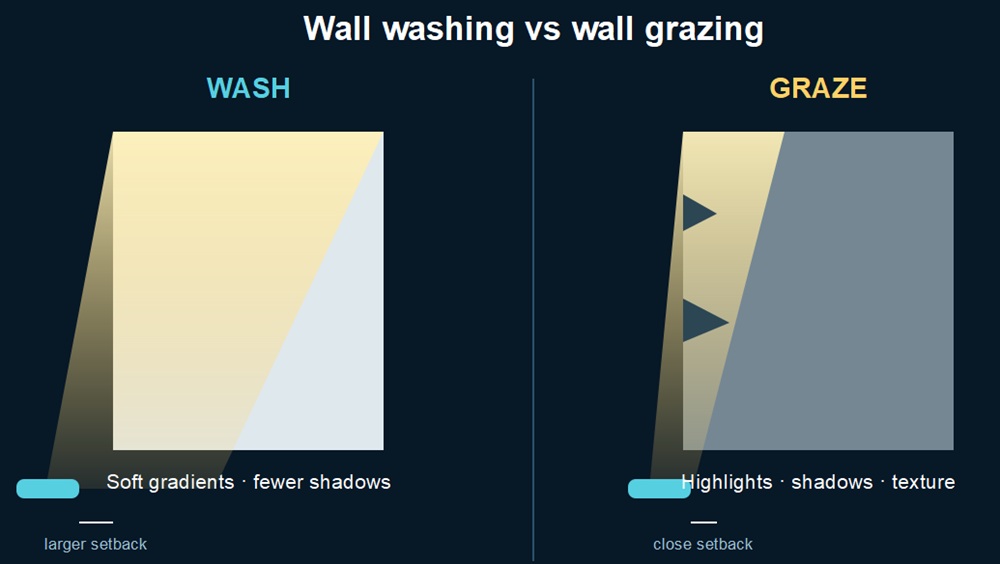
Upper cabinets often block overhead light, creating shadows on countertops where most food preparation takes place. LED strips installed underneath the cabinets illuminate the workspace directly, providing clear and even lighting for cooking tasks.
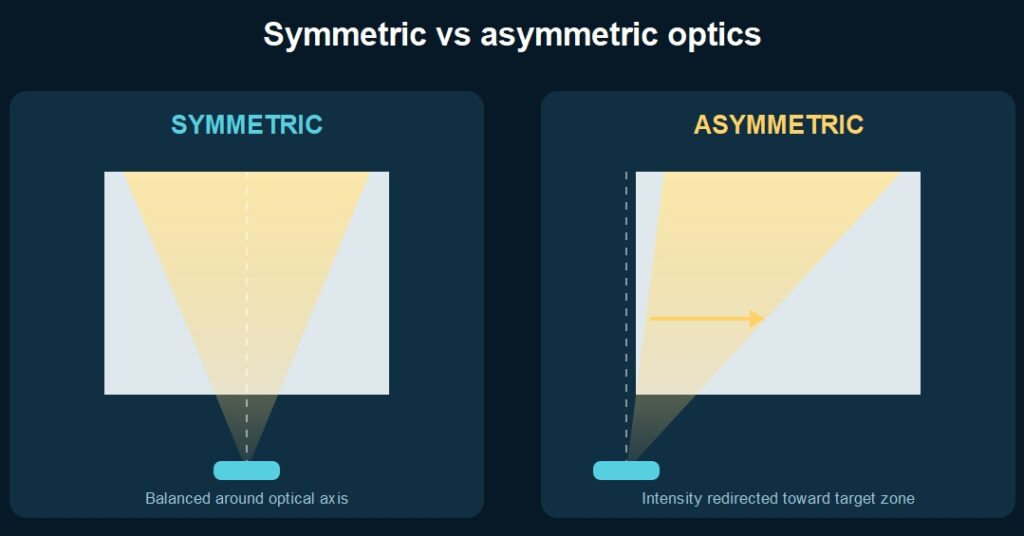
Because LED strips produce continuous linear light, they distribute illumination evenly across the countertop, reducing dark spots and shadows.
Under-cabinet lighting improves visibility while also creating a clean and modern look in the kitchen.
Inside-Cabinet Lighting for Better Visibility
LED strip lights can also be installed inside kitchen cabinets to improve visibility and convenience.
When placed along the interior edges of cabinets or shelves, LED strips automatically illuminate the contents when the door is opened (if paired with door sensors). This makes it easier to locate dishes, ingredients, or cookware, especially in deep or tall cabinets.
Glass display cabinets benefit particularly from internal lighting. LED strips highlight glassware, plates, or decorative items, adding a subtle visual feature to the kitchen.
Toe-Kick Lighting for a Floating Cabinet Effect
Toe-kick lighting is another increasingly popular kitchen design feature.
LED strip lights installed along the base of lower cabinets create a soft glow along the floor. This produces a floating cabinet effect, making the kitchen appear more spacious and modern.
Toe-kick lighting also improves nighttime visibility. Instead of turning on bright overhead lights, the soft floor-level illumination provides enough light to move safely through the kitchen.
Above-Cabinet Lighting for Ambient Atmosphere
In kitchens with cabinets that do not extend all the way to the ceiling, LED strip lights can be installed on top of the cabinets to create indirect ambient lighting.
The light reflects softly off the ceiling, producing a warm glow that adds depth and atmosphere to the kitchen.
This type of lighting works particularly well in open-plan homes where the kitchen connects to the living or dining area.
Color Temperature Choices for Kitchen Lighting
Choosing the correct color temperature is important for kitchen lighting.
Common options include:
Warm White (2700K–3000K)
Creates a cozy and inviting atmosphere, often used in residential kitchens.
Neutral White (3500K–4000K)
Provides a balanced light that works well for cooking tasks and modern kitchen designs.
Cool White (5000K+)
Produces very bright light suitable for commercial kitchens but less common in homes.
For most residential kitchens, 3000K or 4000K LED strips are the most popular choices.
Energy Efficiency and Long Lifespan
Kitchens require lighting that operates for long hours every day. LED strip lights are highly energy efficient compared with traditional lighting solutions.
They consume significantly less electricity while providing consistent brightness and long operational lifespans.
In addition, LED strips generate very little heat, making them safe for installation near cabinets, wood surfaces, and countertops.
Conclusion
LED strip lighting has become an essential feature in modern kitchen design. Whether used for under-cabinet task lighting, interior cabinet illumination, or decorative ambient lighting, LED strips provide both functional and aesthetic benefits.
Their slim design, flexible installation options, and energy efficiency make them an ideal lighting solution for residential kitchens.
When integrated thoughtfully, LED strip lighting can transform the kitchen into a brighter, more practical, and visually appealing space.
Other articles:
Invisible Wire LED Lighting for Kitchen Cabinets
How To Light Your Kitchen | Kitchen Design Lighting Guide
As a bespoke lighting solution provider, Yiholight specializes in high-quality LED strips and neon flex lights. Our products are engineered for durability, brightness, and ease of installation—trusted by B2B customers across the globe.
Contact us today to explore the best LED lighting for your business!
© [Yiholight] and [www.yiholight.com]. Unauthorized use or duplication of this material is strictly prohibited without express written permission from the site’s author or owner. Excerpts and links may be used, provided full, clear credit is given to [Yiholight] and [www.yiholight.com], with appropriate, specific direction to the original content.