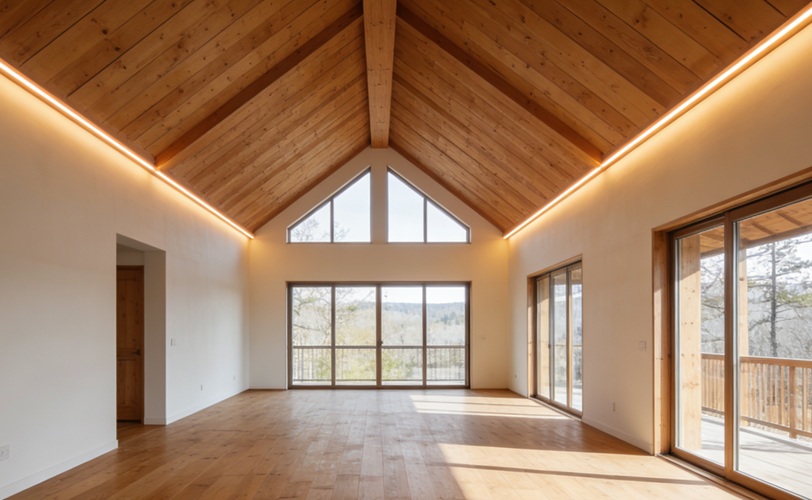
Wood and warm light have a natural affinity. Whether it’s a cozy wooden cabin, a Scandinavian-style living room, a luxury hotel lobby, or a spa retreat, warm lighting enhances the texture, depth, and emotional comfort of wood in a way that cool white light simply cannot.
In recent years, as biophilic design and natural material interiors become increasingly popular across Europe, North America, and the Middle East, designers are asking a key question:
How does warm light actually look in a wood-based environment — and how do you choose the right LED strip to achieve the perfect effect?
This article explores the science, aesthetics, and technical considerations behind warm light in wooden interiors — helping lighting designers, contractors, and LED strip buyers make smarter decisions.
Table of Contents
Why Warm Light and Wood Work So Well Together
Warm light typically refers to color temperatures between 2200K and 3000K. At this range, the light appears golden, amber, or candle-like.
Wood, by nature, contains warm undertones — yellows, reds, browns, and amber pigments. When illuminated by warm white lighting:
- The grain appears richer and more defined
- The surface texture looks deeper and more dimensional
- The space feels softer and more inviting
- The material appears more “alive” rather than flat
If you’ve ever stepped into a mountain cabin or a boutique hotel with wooden ceilings and indirect cove lighting, you’ve experienced this effect.
Under cool white lighting (4000K–6500K), however:
- Wood may look pale or slightly gray
- Natural warmth disappears
- Texture appears flatter
- The space feels more commercial than comfortable
This is why warm LED strip lighting is widely used in wooden villas, restaurants, hotels, and wellness spaces.
How Different Wood Types React to Warm Light
Not all wood responds the same way to lighting. Understanding this interaction helps designers choose the right CCT (Correlated Color Temperature).
Light Woods (Oak, Maple, Pine)
Warm light enhances:
- Yellow and honey tones
- Subtle grain patterns
- Natural softness
At 2700K–3000K, light wood feels clean yet cozy.
At 2200K–2400K, it becomes more rustic and intimate.
Best applications:
- Scandinavian interiors
- Modern residential spaces
- Wooden ceilings with hidden LED strips
Dark Woods (Walnut, Teak, Mahogany)
Warm light brings out:
- Deep reddish undertones
- Luxurious brown gradients
- Dramatic texture depth
Lower CCTs (2200K–2700K) create a boutique-hotel atmosphere.
Higher CCT (3000K+) may slightly flatten richness.
Best applications:
- Luxury hotels
- High-end restaurants
- Executive offices
- Wooden wall panels with concealed lighting
Natural Unfinished Wood
For eco-style interiors and wellness projects, warm light highlights the raw organic texture of unfinished wood.
When paired with high-CRI LED strips (CRI ≥90):
- Knots become visually detailed
- Surface irregularities look intentional and artistic
- The space feels handcrafted rather than manufactured
The Emotional Impact of Warm Lighting in Wooden Interiors
Lighting is not just technical — it is psychological.
Warm lighting in wooden environments triggers:
- Relaxation
- Security
- Intimacy
- Emotional warmth
Studies in environmental psychology show that warm light promotes:
- Longer dwell time in restaurants
- Higher comfort ratings in hospitality spaces
- Reduced perceived stress in spa environments
That is why wooden spa rooms, sauna lounges, and boutique hotels almost always choose warm CCT LED strips instead of neutral white.
For contractors working on wellness resorts or high-end villas, this emotional factor often matters more than raw brightness.
Brightness: Why Too Much Light Ruins Wooden Atmosphere
One common mistake is over-lighting wooden spaces.
Wood absorbs light more than white walls. If the lumen output is too high:
- The surface may appear washed out
- Texture becomes less visible
- Warmth turns into glare
Instead of high brightness, wooden interiors benefit from:
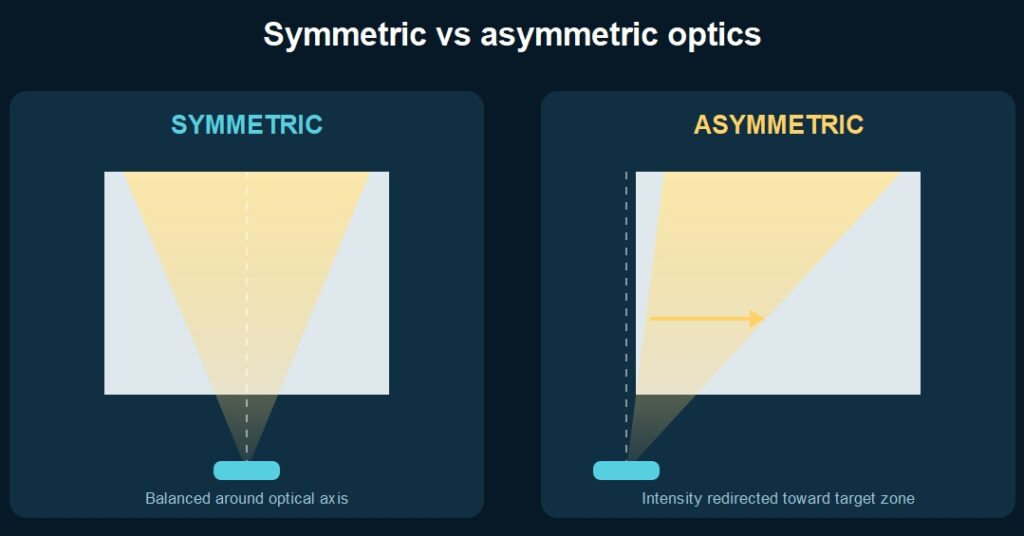
- Indirect lighting
- Hidden cove LED strips
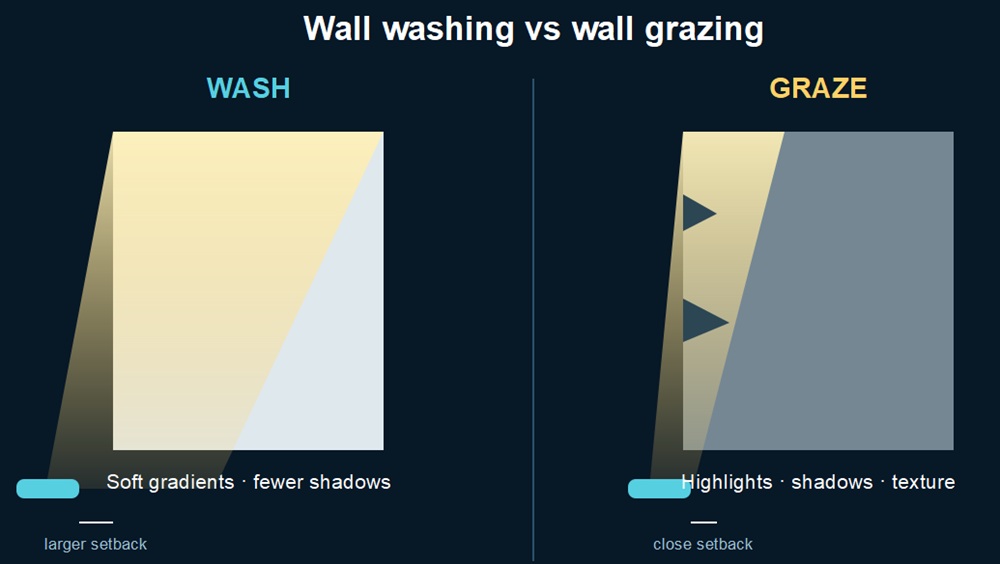
- Wall grazing effects
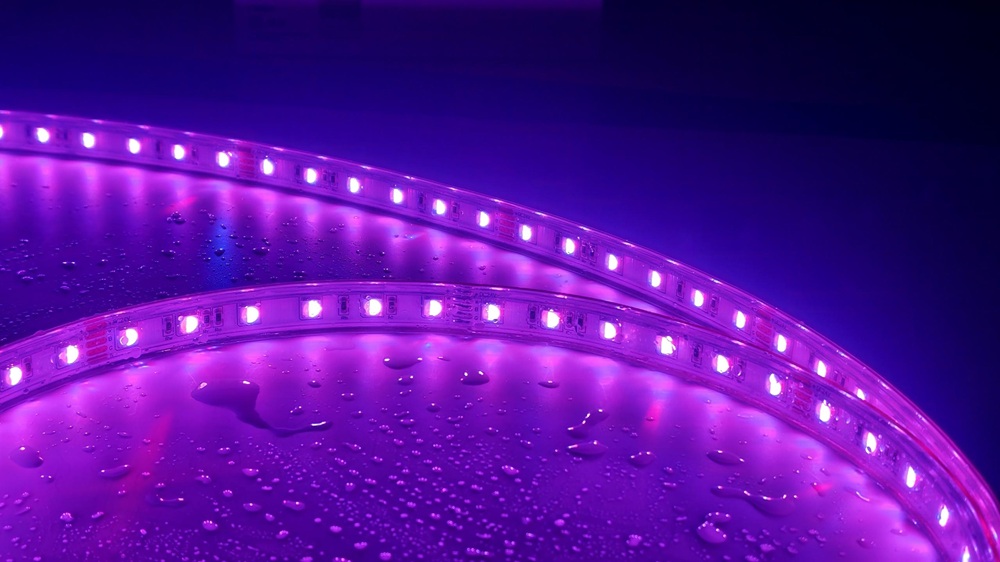
- Soft diffused neon flex
Recommended approach:
- Use medium-output LED strips
- Pair with aluminum profiles and diffusers
- Focus on layered lighting rather than single strong sources
The goal is glow — not spotlight.
Warm LED Strip Applications in Wooden Spaces
Let’s explore where warm LED strips are most effective.
Wooden Ceiling Cove Lighting
Hidden strips above beams create floating light lines.
This soft halo effect enhances architectural depth.
Wooden Wall Panel Grazing
Placed close to the surface, LED strips highlight grain texture dramatically.
Staircase & Handrail Integration
Warm light inside wooden handrails improves safety while maintaining atmosphere.
Cabinet & Shelf Backlighting
Perfect for wine displays, bookstores, and boutique retail using wooden shelving.
Sauna & Wellness Areas
Warm, low-glare lighting complements the wooden structure while creating relaxation.
For projects like sauna rooms or steam areas, special heat-resistant and moisture-resistant LED strips are required.
Why CRI Matters More in Wooden Interiors
Color Rendering Index (CRI) determines how accurately light reveals material color.
In wood-heavy environments:
- Low CRI (80 or below) can distort tones
- Reds may appear dull
- Brown gradients look muddy
High CRI (90+ recommended) ensures:
- Accurate grain visibility
- Natural warmth
- Premium visual perception
In hospitality projects, designers often specifically request CRI ≥90 for wooden décor.
If the project is high-end, even R9 value (strong red rendering) becomes important — especially for walnut or mahogany surfaces.
SDCM and Color Consistency in Large Wooden Projects
In villas, hotels, and resorts, lighting usually runs continuously across long wooden ceilings or walls.
If LED strips have poor color consistency:
- One section looks more yellow
- Another looks slightly pink
- The wooden surface reveals the mismatch clearly
This ruins the luxury effect.
Choosing LED strips with tight SDCM (≤3 step MacAdam ellipse) ensures:
- Uniform golden glow
- Seamless continuous lighting
- Professional appearance in large installations
Wood surfaces are very sensitive to color variation, so consistency becomes critical.
COB vs SMD in Wooden Environments
Both COB and SMD LED strips can be used in wooden interiors, but they create different visual results.
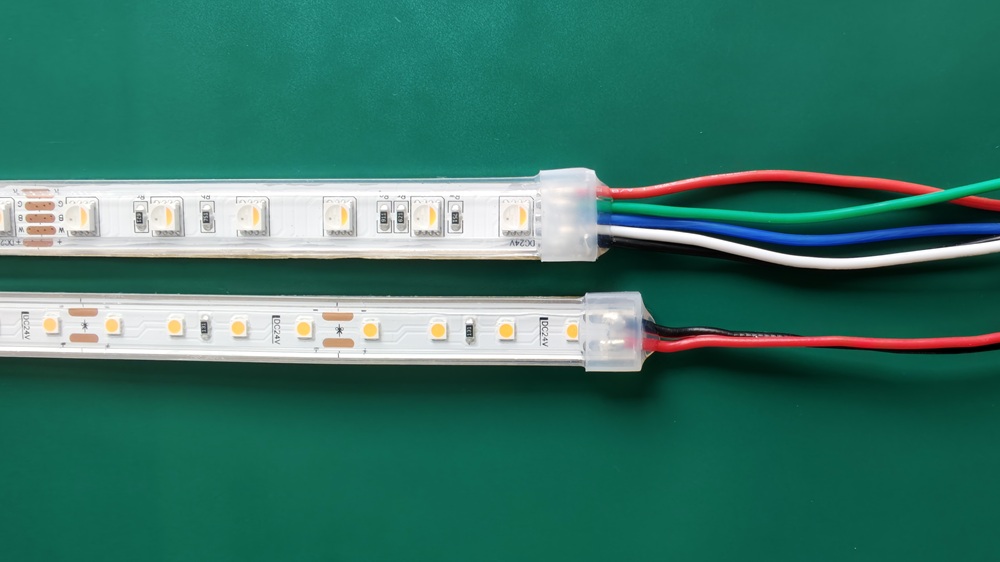
COB LED Strip
- Dot-free
- Smooth continuous light line
- Softer diffusion
- Premium look
Ideal for:
- Visible linear designs
- Minimalist wood ceilings
- High-end interiors
SMD LED Strip
- Stronger brightness options
- More flexibility in power
- Better for hidden installations
Ideal for:
- Concealed cove lighting
- Budget-controlled projects
- Functional lighting layers
For modern wood interiors, COB is often preferred because the seamless light complements clean architectural lines.
Choosing the Right Color Temperature for Wooden Projects
Here’s a simplified guideline:
|
Application |
Recommended CCT |
|
Modern residential |
2700K–3000K |
|
Rustic cabin |
2200K–2700K |
|
Luxury hotel |
2400K–2700K |
|
Restaurant |
2200K–2700K |
|
Scandinavian style |
2700K–3000K |
|
Sauna lounge |
2200K–2700K |
When unsure, 2700K is the safest warm option for wood.
For premium projects, tunable white strips allow adjustment between 2200K–3000K depending on mood and time of day.
Common Mistakes When Lighting Wooden Interiors
To ensure professional results, avoid:
- Using 4000K or above in warm wood spaces
- Choosing low CRI strips
- Ignoring heat dissipation (wood traps heat)
- Overpowering brightness
- Mixing inconsistent CCT batches
Wood reveals lighting flaws easily — so quality control matters.
The Technical Side: Why LED Quality Matters in Wooden Projects
In many wood-based projects (especially villas and hotels), LED strips are installed inside:
- Wooden grooves
- Closed ceiling cavities
- Custom carpentry channels
If low-quality strips fail:
- Replacement requires dismantling wood structures
- Labor costs exceed product cost
- Project reputation suffers
Therefore buyers should focus on:
- Stable PCB thickness
- Good heat dissipation
- High-quality LED chips
- Reliable driver compatibility
- Long-term aging test validation
A beautiful wooden space deserves lighting that lasts.
Conclusion
Warm light and wood create one of the most timeless interior combinations.
When properly designed, warm LED strip lighting:
- Enhances wood texture
- Elevates emotional comfort
- Adds architectural depth
- Increases perceived luxury
- Creates unforgettable hospitality experiences
However, achieving the perfect wooden atmosphere requires more than just choosing “warm white.”
It demands attention to:
- CCT selection
- CRI and color consistency
- Heat management
- Product reliability
- Installation planning
For designers, contractors, and LED strip buyers, understanding how warm light interacts with wood ensures projects that feel natural, premium, and emotionally engaging.
Other articles:
CRI, SDCM & Color Binning Explained
Kitchen Cabinet Lighting Guide
As a bespoke lighting solution provider, Yiholight specializes in high-quality LED strips and neon flex lights. Our products are engineered for durability, brightness, and ease of installation—trusted by B2B customers across the globe.
Contact us today to explore the best LED lighting for your business!
© [Yiholight] and [www.yiholight.com]. Unauthorized use or duplication of this material is strictly prohibited without express written permission from the site’s author or owner. Excerpts and links may be used, provided full, clear credit is given to [Yiholight] and [www.yiholight.com], with appropriate, specific direction to the original content.