LED strip lights are widely used in residential, commercial, and architectural lighting projects. From retail stores and hotels to signage and decorative installations, LED strips offer flexible and energy-efficient lighting solutions.
However, not all LED strip lights on the market deliver the same level of performance. Products that appear similar at first glance can vary greatly in terms of brightness stability, lifespan, color consistency, and reliability.
For importers, distributors, lighting designers, and project contractors, verifying the quality of LED strip lights before purchasing is essential. Poor-quality strips can lead to premature failures, inconsistent lighting effects, or costly replacements in large projects.
This guide explains the most effective ways buyers can evaluate LED strip light quality before placing bulk orders.
Table of Contents
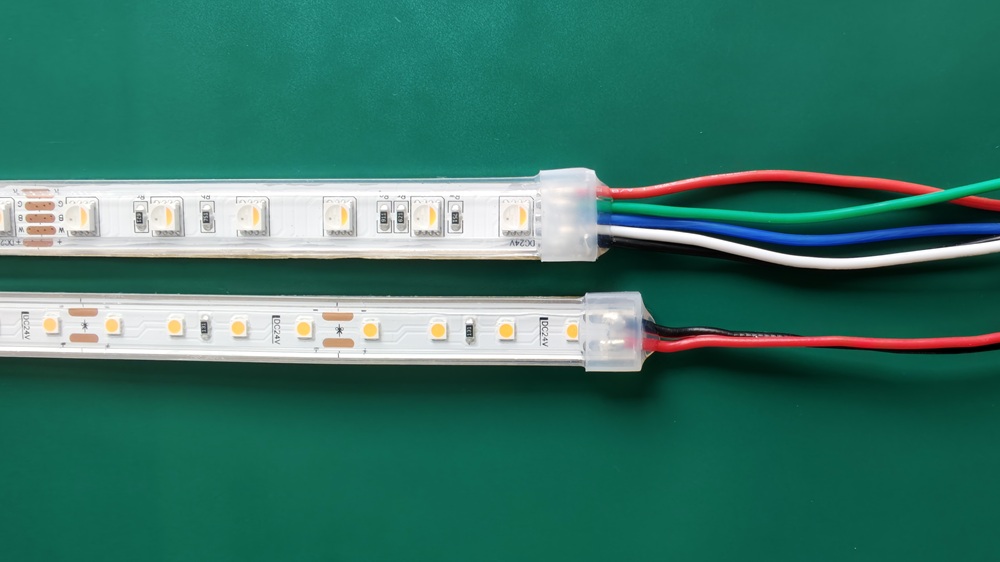
Inspect the LED Chips and Light Output
The LED chip is the core component that determines brightness, efficiency, and lifespan. High-quality LED chips provide stable light output and consistent color performance.
When evaluating LED strips, buyers should check several aspects of the light source.
Brightness Consistency
Good LED strips maintain uniform brightness across the entire length of the strip. Uneven brightness may indicate inconsistent chip quality or poor manufacturing processes.
Color Consistency
Color differences between LED segments can create visible lighting irregularities. Professional manufacturers usually control color consistency through LED binning and SDCM control, ensuring uniform appearance across installations.
Luminous Efficiency
Higher-quality LED chips typically deliver better efficiency, producing more light output per watt of power consumption.
When possible, buyers should test samples to observe brightness and color stability in real lighting conditions.
Examine the PCB Design and Copper Thickness
The printed circuit board (PCB) plays a crucial role in heat dissipation and electrical stability.
LED strips with thin or poorly designed PCBs often suffer from overheating, which shortens LED lifespan and reduces brightness over time.
Important factors to examine include:
Copper Thickness
Thicker copper layers improve thermal conductivity and electrical performance. This helps reduce heat accumulation and increases long-term reliability.
PCB Width
Wider PCBs generally provide better structural stability and improved heat distribution.
Circuit Layout
Well-designed circuit layouts ensure stable voltage distribution along the strip, reducing brightness drop across long runs.
These factors may not be visible at first glance, but they significantly affect product durability.
Check Bonding Wire Materials
Inside the LED package, bonding wires connect the LED chip to the electrical contacts. These wires are extremely small but play a vital role in electrical performance and reliability.
Two types of bonding wire are commonly used:
Gold Wire
Gold wire provides excellent conductivity and corrosion resistance. It maintains stable electrical connections over long periods and is widely used in high-quality LED products.
Alloy Wire
Some low-cost LED strips use alloy wires as a cheaper alternative. While they reduce manufacturing costs, they may offer lower conductivity and long-term reliability.
Understanding the bonding wire material helps buyers evaluate the internal quality of LED chips.
Evaluate Heat Dissipation Performance
Heat is one of the main factors affecting LED lifespan.
During operation, LED chips generate heat. If this heat is not dissipated efficiently, the temperature inside the strip rises and gradually damages the LED components.
Signs of good heat management include:
- thicker PCB copper layers
- stable aluminum mounting surfaces
- consistent brightness during long operation periods
Testing LED strips by running them continuously for several hours can reveal whether heat affects their performance.
Proper thermal management ensures longer product lifespans and more stable lighting performance.
Review Waterproofing and Material Quality
For outdoor or humid environments, waterproof protection is essential.
LED strips designed for exterior applications usually have protective coatings or silicone encapsulation to prevent moisture damage.
When evaluating waterproof LED strips, buyers should check:
IP Rating
The IP rating indicates protection against dust and water. For example:
- IP20 – indoor use
- IP65 – splash resistant
- IP67/IP68 – suitable for outdoor environments
Silicone Quality
High-quality silicone materials remain flexible and transparent over time, while lower-grade materials may turn yellow or crack.
Material durability plays a major role in maintaining product appearance and performance in outdoor installations.
Verify Quality Control and Aging Tests
Reliable manufacturers perform strict quality control procedures throughout production.
One of the most important tests is the aging test.
During aging tests, finished LED strips operate continuously for several hours or even longer. This process helps identify early component failures before products are shipped.
Additional testing may include:
- electrical parameter testing
- brightness and color consistency checks
- visual inspections
Factories that implement systematic testing procedures greatly reduce the risk of defective products reaching customers.
Request Product Samples Before Bulk Orders
Before committing to large orders, buyers should always evaluate product samples.
Testing samples allows buyers to verify several critical factors:
- brightness levels
- color temperature accuracy
- installation compatibility
- material quality
Samples can also be installed in real project environments to evaluate lighting effects and performance.
This step helps buyers confirm whether the product meets their specific application requirements.
Evaluate the Supplier’s Technical Expertise
Product quality is closely related to the manufacturer’s technical capabilities.
Reliable LED strip manufacturers typically offer:
- detailed technical specifications
- engineering support
- customization services
- consistent product documentation
Suppliers with strong technical knowledge can help buyers select appropriate products for different applications, whether for architectural lighting, retail displays, or signage installations.
Professional communication and clear product explanations often indicate strong manufacturing expertise.
Conclusion
Verifying the quality of LED strip lights before purchasing is essential for ensuring reliable performance and long product lifespans. While many LED strips may look similar externally, internal components, materials, and manufacturing processes can vary significantly.
By evaluating LED chips, PCB design, bonding wire materials, heat dissipation performance, waterproof protection, and supplier testing procedures, buyers can gain a deeper understanding of product quality.
Requesting samples and working with technically experienced suppliers further reduces procurement risks. Careful evaluation not only prevents potential problems but also ensures that LED lighting installations deliver consistent performance and long-term value.
As LED lighting continues to evolve across residential, commercial, and architectural applications, informed purchasing decisions remain key to successful lighting projects.
Other articles:
The Ultimate Guide to LED Neon Flex Strip
ESD Protection in LED Neon Strips: Why Anti-Static Manufacturing Matters
As a bespoke lighting solution provider, Yiholight specializes in high-quality LED strips and neon flex lights. Our products are engineered for durability, brightness, and ease of installation—trusted by B2B customers across the globe.
Contact us today to explore the best LED lighting for your business!
© [Yiholight] and [www.yiholight.com]. Unauthorized use or duplication of this material is strictly prohibited without express written permission from the site’s author or owner. Excerpts and links may be used, provided full, clear credit is given to [Yiholight] and [www.yiholight.com], with appropriate, specific direction to the original content.