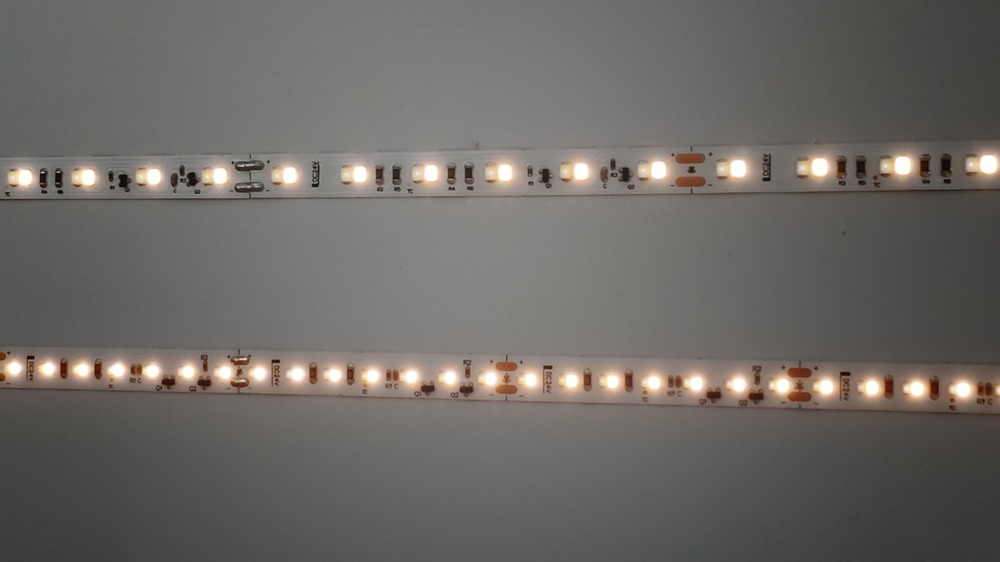
LED strip lights have become one of the most popular lighting solutions for residential, commercial, and architectural projects. They are flexible, energy-efficient, and easy to install. However, not all LED strips are created equal. While inexpensive options may seem attractive at first, many buyers encounter serious performance and reliability issues after installation.
This guide explains 10 hidden quality problems often found in cheap LED strip lights and provides actionable insights to choose high-quality LED strips, such as Yiholight products, for reliable, long-lasting lighting.
Table of Contents
Poor PCB Quality and Copper Thickness
The PCB (printed circuit board) is the backbone of any LED strip. It carries electricity to the LEDs and dissipates heat. Cheap LED strips often use:
- thin copper layers
- low-quality PCB material
- narrow traces
These factors increase electrical resistance and reduce heat dissipation. The result is:
- overheating
- shorter LED lifespan
- potential flickering or failure
High-quality LED strips use thicker copper (1oz–2oz or more) and a wider PCB for better performance and longer life.
Low-Quality LED Chips
LED chips determine the brightness, efficiency, and color accuracy. Cheap strips often use:
- generic or low-efficiency SMD LEDs
- inconsistent LED color
- high heat generation
This can cause uneven light, poor color rendering, and early failure. High-quality strips, like Yiholight, use premium LED chips for stable color and consistent brightness.
Poor Soldering and Connection Quality
Cheap LED strips often cut costs with inferior soldering:
- weak joints
- insufficient solder
- no inspection
Over time, these weak connections can break under thermal cycling, causing sections of the strip to fail. High-quality strips have reliable soldering and gold wire connections for enhanced durability.
Inconsistent Color Rendering (Low CRI)
CRI (Color Rendering Index) measures how accurately a light shows colors. Low-cost strips often use LEDs with CRI below 80, resulting in:
- washed-out colors
- unnatural appearance
- poor suitability for homes, offices, or retail
Yiholight LED strips achieve high CRI (90+), providing natural, vivid lighting.
Voltage Drop Issues in Long Runs
Cheap LED strips often ignore voltage drop over long distances. This can cause:
- dim LEDs at the far end
- uneven brightness
- inconsistent color temperature
High-quality strips account for voltage drop by using thicker copper, proper PCB design, and recommending power injection points.
Flickering and Poor Current Control
Many low-cost strips lack proper constant current or constant voltage design, causing:
- flickering
- reduced LED lifespan
- color shifts
Yiholight ensures flicker-free operation using optimized drivers, current control, and strict PCB design.
Substandard Diffuser or Silicone Housing
For dotless or neon-style LED strips, cheap strips often use:
- thin or brittle silicone
- uneven diffusion
- poor resistance to UV and dust
This leads to:
- visible LED dots
- yellowing over time
- poor aesthetics
High-quality Yiholight strips use premium silicone or PC housing with ESD anti-static treatment to maintain smooth light and prevent dust attraction.
Poor Waterproofing (IP Rating Problems)
Low-cost LED strips often advertise IP65, IP67, or IP68 but fail to seal the strip properly, leading to:
- water ingress
- corrosion
- early failure
Yiholight LED strips undergo rigorous waterproof testing to ensure compliance with advertised IP ratings.
No Aging or Burn-In Test
Many cheap manufacturers skip aging tests to save time, resulting in:
- dead LEDs after first use
- uneven brightness
- reduced lifespan
Yiholight performs 48–72 hours of aging tests to guarantee stable brightness and color before shipping.
No ESD or Static Protection
Static electricity can attract dust and damage internal LEDs during production. Low-cost strips often lack anti-static production. This can lead to:
- early component failure
- reduced reliability
- dusty or uneven surfaces
Yiholight uses ESD NT static process, keeping the strip clean and safe from static damage.
Choosing High-Quality LED Strips: Key Takeaways
When evaluating LED strips, always consider:
- Copper thickness and PCB quality
- Premium LED chips (high CRI, efficiency)
- Reliable soldering and gold wire connections
- Consistent voltage and current control
- Quality diffusion housing and IP rating
- Aging and burn-in tests
- ESD and anti-static protection
Choosing Yiholight LED strips ensures you get:
- Long-lasting, flicker-free lighting
- Uniform brightness and color
- Reliable performance in indoor and outdoor environments
- Dotless, visually appealing light for both functional and decorative projects
Conclusion
Cheap LED strips may save you a few dollars upfront, but they often fail quickly due to hidden quality issues. Investing in high-quality LED strips like Yiholight saves money in the long run by reducing maintenance, replacements, and project failures.
Understanding the 10 hidden quality problems helps buyers make informed decisions and ensures professional lighting installations that are reliable, visually appealing, and long-lasting.
Other articles:
How PCB Design Affects LED Strip Lifespan
How to Identify a High-Quality LED Strip
Why LED Strip Prices Vary So Much
How LED Strip Aging Tests Ensure Long-Term Reliability
As a bespoke lighting solution provider, Yiholight specializes in high-quality LED strips and neon flex lights. Our products are engineered for durability, brightness, and ease of installation—trusted by B2B customers across the globe.
Contact us today to explore the best LED lighting for your business!
© [Yiholight] and [www.yiholight.com]. Unauthorized use or duplication of this material is strictly prohibited without express written permission from the site’s author or owner. Excerpts and links may be used, provided full, clear credit is given to [Yiholight] and [www.yiholight.com], with appropriate, specific direction to the original content.