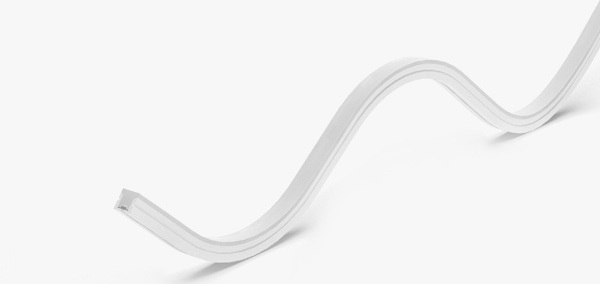
LED neon flex lighting is widely used in architectural outlines, signage, landscape lighting, and commercial decoration. One of its biggest advantages compared to traditional neon tubes is the flexible silicone housing, which provides durability and weather resistance.
However, some users notice a problem after installing LED neon flex outdoors: the white silicone surface gradually turns yellow over time. In severe cases, the lighting appearance becomes uneven and the overall aesthetic effect of the project is affected.
Why does this happen? Is it unavoidable? And more importantly, how can buyers choose LED neon flex that will stay clear and stable for years?
In this article, we’ll explore the real causes of neon flex yellowing, how it impacts lighting performance, and what manufacturers and buyers can do to prevent it.
Table of Contents
The Main Cause: Material Quality of the Silicone Housing
The outer housing of LED neon flex is usually made from silicone or PVC material, and the quality of this material plays a crucial role in long-term appearance.
High-quality LED neon flex typically uses platinum-grade silicone, which offers excellent resistance to environmental aging. Lower-cost products may use cheaper silicone mixtures or PVC, which degrade much faster.
Over time, inferior materials can react with environmental factors such as:
- ultraviolet (UV) radiation
- oxygen exposure
- temperature changes
- atmospheric pollutants
These reactions gradually cause the material to oxidize and discolor, resulting in yellowing.
When this happens, the neon strip loses its clean white appearance and starts to look aged or dirty—even if the LEDs inside are still working properly.
High-grade silicone, by contrast, maintains its transparency and color stability for much longer.
UV Radiation and Outdoor Exposure
Sunlight is one of the most significant factors affecting the long-term appearance of LED neon flex.
Ultraviolet radiation continuously breaks down many plastic and silicone materials. Over months or years of exposure, this process causes chemical changes in the material structure, which often appear as yellowing.
Outdoor lighting installations are particularly vulnerable to this effect. Projects installed in areas with strong sunlight—such as:
- building facades
- rooftop lighting
- outdoor signage
- landscape lighting
Manufacturers that design LED neon flex specifically for outdoor use typically add UV-resistant additives to the silicone during production. These additives slow down the degradation process and help maintain the original appearance of the product.
Without proper UV stabilization, even silicone materials can gradually discolor under intense sunlight.
Heat Accumulation Inside the Neon Flex
Heat is another factor that can accelerate yellowing.
LED neon flex contains an internal LED strip that generates heat during operation. If the heat is not dissipated properly, the temperature inside the silicone housing may rise.
High temperatures accelerate chemical aging reactions in polymers, which can cause:
- discoloration
- material hardening
- reduced flexibility
In poorly designed neon flex products, insufficient heat dissipation can contribute to faster yellowing.
High-quality neon flex solutions address this issue through:
- optimized internal structure
- high-efficiency LED chips
- proper PCB design
- silicone materials that tolerate higher temperatures
These improvements help maintain stable performance even during long operating hours.
Dust and Static Electricity During Manufacturing
Another often-overlooked cause of visual quality issues is static electricity during production.
Silicone materials can easily attract dust and small particles due to static charge. If manufacturing takes place in an uncontrolled environment, these particles may stick to the surface or become embedded in the material.
Over time, these contaminants may react with light, heat, and air, causing visible discoloration or uneven surface appearance.
Professional LED neon flex manufacturers address this issue by using ESD (Electrostatic Discharge) anti-static production processes.
Anti-static production environments reduce the likelihood of dust contamination by:
- neutralizing static charges
- maintaining controlled humidity
- ensuring cleaner manufacturing conditions
This helps ensure the finished product remains visually clean and stable over time.
Chemical Exposure in Outdoor Environments
Outdoor environments can expose lighting products to various chemical agents that may accelerate material aging.
Examples include:
- air pollution in urban environments
- cleaning chemicals used on building surfaces
- salt exposure in coastal regions
- industrial emissions
Certain chemicals may react with lower-grade silicone materials, causing discoloration or surface degradation.
High-quality LED neon flex products use chemically stable silicone formulations, which are designed to withstand long-term exposure to environmental pollutants.
This is particularly important for installations in cities, coastal regions, and industrial areas.
How Yellowing Affects Lighting Performance
Yellowing is often seen as an aesthetic issue, but it can also influence lighting quality.
When the silicone diffuser turns yellow, it can slightly change the color characteristics of the emitted light.
Possible effects include:
- warmer color appearance
- reduced brightness
- uneven light diffusion
For architectural or commercial projects where visual presentation is important, these changes can negatively affect the overall design.
Maintaining a stable, clear diffuser ensures the LED neon flex continues to deliver consistent lighting quality throughout its lifespan.
How to Avoid Yellowing When Choosing LED Neon Flex
Buyers can reduce the risk of yellowing by carefully selecting high-quality neon flex products.
Key factors to evaluate include material quality, manufacturing processes, and product testing standards.
Choose Platinum Silicone Materials
Platinum-grade silicone offers better resistance to:
- UV radiation
- temperature fluctuations
- environmental aging
This material maintains clarity and flexibility for longer periods.
Check UV Resistance Specifications
Manufacturers should clearly specify whether their neon flex is designed for long-term outdoor use.
UV-resistant silicone formulations are essential for installations exposed to sunlight.
Look for Professional Manufacturing Standards
Reliable factories typically use:
- ESD anti-static production environments
- controlled manufacturing conditions
- automated silicone extrusion processes
These measures help ensure consistent product quality.
Verify Aging Tests
Professional manufacturers perform aging tests to simulate long-term operation.
These tests help confirm that the neon flex can maintain its appearance and performance over extended periods.
Why Quality Manufacturing Matters
The difference between high-quality and low-cost LED neon flex is often not visible at first glance.
Two products may appear identical when new, but their performance over time can vary dramatically depending on:
- material quality
- manufacturing process
- quality control standards
Investing in reliable neon flex from experienced manufacturers helps ensure:
- longer product lifespan
- stable appearance
- consistent lighting performance
For large architectural or commercial projects, this reliability is particularly important.
Yiholight’s Approach to Long-Term Neon Flex Stability
Yiholight focuses on producing LED neon flex designed for durability and visual stability.
Key quality features include:
- high-quality silicone materials
- UV-resistant formulations for outdoor use
- ESD anti-static production process
- strict aging and reliability testing
These measures help reduce the risk of yellowing and ensure the neon flex maintains a clean and professional appearance over time.
Conclusion
Yellowing of LED neon flex is usually caused by a combination of material quality, UV exposure, heat, and environmental factors.
While some low-cost products may discolor within a short period, high-quality neon flex designed with UV-resistant silicone, proper thermal management, and controlled manufacturing processes can maintain its appearance for many years.
For lighting designers, contractors, and project owners, choosing reliable products is essential to ensure the final installation continues to look as good as the day it was installed.
Understanding the causes of yellowing—and how to avoid them—helps ensure successful and long-lasting lighting projects.
Other articles:
The Ultimate Guide to LED Neon Flex Strip
How to Maintain LED Neon Flex for Long Lifespan
How Long Do LED Neon Flex Strips Last?
IP65 vs IP67 vs IP68 LED Neon Flex: What’s the Difference?
Common LED Neon Flex Problems and Solutions
As a bespoke lighting solution provider, Yiholight specializes in high-quality LED strips and neon flex lights. Our products are engineered for durability, brightness, and ease of installation—trusted by B2B customers across the globe.
Contact us today to explore the best LED lighting for your business!
© [Yiholight] and [www.yiholight.com]. Unauthorized use or duplication of this material is strictly prohibited without express written permission from the site’s author or owner. Excerpts and links may be used, provided full, clear credit is given to [Yiholight] and [www.yiholight.com], with appropriate, specific direction to the original content.