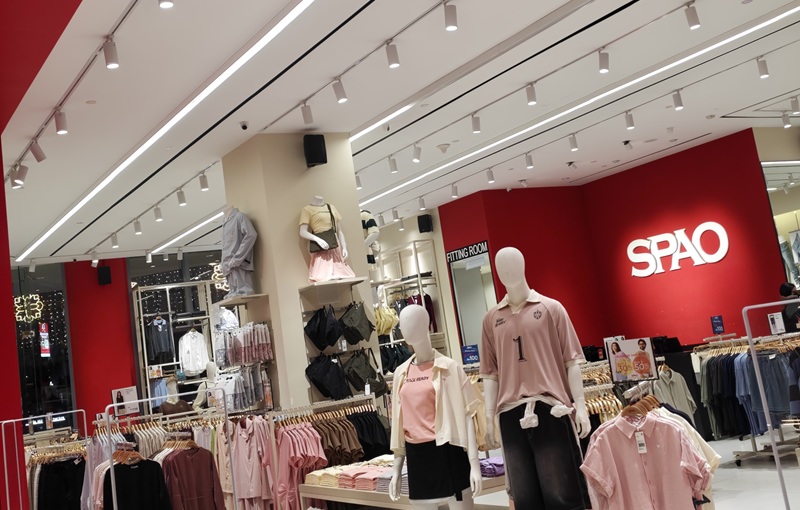
In retail, lighting is more than a functional necessity—it is a psychological tool that influences customer behavior, perception, and even purchasing decisions. While many store owners focus on product assortment, pricing, or promotions, lighting can have a direct impact on sales and customer engagement.
LED strip lighting, in particular, offers a flexible and powerful solution for shaping the retail experience. With the ability to highlight products, create ambiance, and guide customer movement, LED strips allow store designers to strategically influence shopper behavior.
This article explores how lighting affects customer behavior, why LED strip lighting is especially effective, and practical strategies for using it in retail stores.
Table of Contents
How Lighting Affects Mood and Perception
The atmosphere of a store sets the tone for customer experience. Bright, harsh lighting can make a space feel clinical or overwhelming, while warm, well-distributed light can create a welcoming and comfortable environment.
LED strip lighting allows retailers to control brightness, color temperature, and placement with precision.
- Warm lighting (2700–3000K) creates a cozy, intimate atmosphere that encourages shoppers to linger. This is especially effective in boutiques, jewelry stores, or specialty shops where customers may spend more time exploring products.
- Neutral lighting (3500–4000K) enhances color accuracy and creates a clean, modern look. This is suitable for apparel stores, electronics shops, or home goods stores where customers need to accurately evaluate product details.
By carefully selecting color temperature and brightness, retailers can subtly influence mood, which in turn affects shopping behavior. Comfortable shoppers tend to stay longer, explore more products, and are more likely to make purchases.
Highlighting Key Products to Guide Attention
One of the primary ways lighting influences behavior is through visual hierarchy. Shoppers are naturally drawn to the brightest or most prominent areas in a store. If everything is lit equally, nothing stands out—customers may feel overwhelmed and overlook important products.
LED strip lighting is ideal for creating focal points:
- Shelf lighting: Illuminates the full row of products evenly, ensuring all items are visible.
- Accent lighting: Frames promotional displays, hero products, or seasonal collections to guide shopper attention.
- Backlit signage: Highlights brand logos, special offers, or feature walls.
Strategic use of LED strips ensures that high-priority products receive the attention they deserve, improving the likelihood of impulse purchases and upselling.
Influencing Movement Through Pathway and Display Lighting
Customer flow is critical in retail. Poorly lit aisles or unappealing store layouts can lead to confusion, bottlenecks, or underutilized space.
LED strip lighting can subtly guide movement by illuminating pathways, floor edges, or display plinths. For example:
- LED strips along aisle edges or display bases create a soft glow that directs shoppers naturally from one zone to another.
- Lighted feature areas or illuminated platforms attract attention and encourage exploration.
Shoppers are more likely to discover new products and follow a curated journey when lighting guides their movement effectively.
Enhancing Product Perception and Value
Lighting strongly affects how customers perceive product quality. Well-lit products appear more premium, vibrant, and appealing. Conversely, dim or uneven lighting can make items seem cheap or dull.
LED strip lighting enhances product perception by:
- Improving color accuracy: High CRI LED strips (CRI 90+) ensure fabrics, packaging, and finishes appear true-to-life.
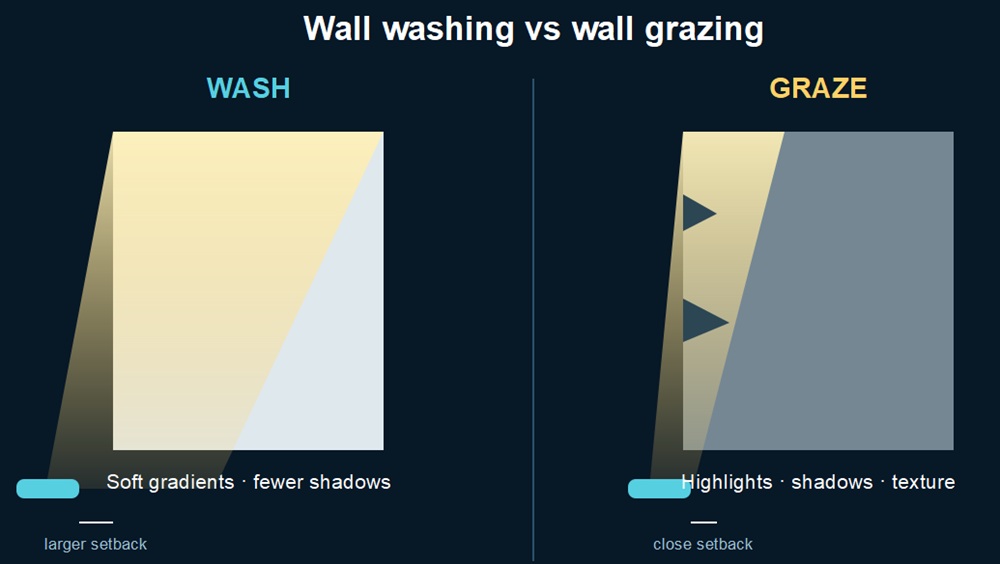
- Reducing shadows and glare: Proper placement and diffusion highlight textures without harsh contrasts.
- Creating depth and dimension: Backlighting or under-shelf lighting separates products visually from backgrounds, making displays more engaging.
By enhancing the visual appeal of merchandise, retailers can increase perceived value, justify higher prices, and boost sales.
Creating Dynamic Environments for Seasonal or Promotional Campaigns
Retail is a constantly evolving environment. Stores often run seasonal promotions, new product launches, or themed campaigns that require flexible lighting solutions.
LED strip lighting is highly adaptable for changing displays:
- Color-tunable LED strips allow retailers to shift lighting moods for holidays, seasonal events, or special promotions.
- Modular LED strips can be repositioned or reconfigured for temporary displays.
- Dimmable strips adjust brightness to highlight new collections without overhauling the entire lighting system.
This flexibility enables retailers to maintain visual excitement and freshness in their stores, keeping customers engaged over time.
Reducing Visual Fatigue to Encourage Longer Visits
Shopping can be tiring, especially in large stores or spaces with long browsing periods. Poor lighting contributes to visual fatigue, making customers leave earlier.
LED strip lighting provides soft, uniform illumination that minimizes eye strain. For example:
- Under-shelf lighting reduces the contrast between bright overhead lights and shadowed products.
- Indirect cove lighting and accent LED strips create even ambient lighting that feels natural.
By reducing visual fatigue, customers are more comfortable exploring the store, spending more time interacting with products, and ultimately increasing the chances of purchase.
Using Light to Reinforce Brand Identity
Lighting also communicates brand identity. Luxury retailers often use warm, dimmed LED strips to create a sophisticated atmosphere, while modern, tech-focused stores may use bright neutral lighting with crisp accents.
LED strip lighting allows retailers to integrate brand-consistent lighting cues into displays, shelves, and architectural features. Subtle glows, backlit walls, and accent zones reinforce the store’s personality and enhance the overall shopping experience.
When lighting reflects brand values, customers feel more connected, which can increase loyalty and repeat visits.
Conclusion
Lighting is more than decoration—it is a strategic tool that shapes customer behavior in retail stores. LED strip lighting, with its versatility, energy efficiency, and design flexibility, allows retailers to:
- Highlight products and promotions
- Guide customer movement
- Enhance product perception and value
- Reduce visual fatigue and encourage longer visits
- Reinforce brand identity
By thoughtfully implementing LED strip lighting in combination with general and accent lighting, retailers can create environments that are visually compelling, shopper-friendly, and ultimately sales-driven.
In today’s competitive retail landscape, lighting strategy is no longer optional—it’s a crucial component of store success.
Other articles:
LED Strip Lights Ideas for Retail Stores
Best LED Strip Lighting for Clothing Stores
Creative LED Strip Lighting for Grocery Stores
As a bespoke lighting solution provider, Yiholight specializes in high-quality LED strips and neon flex lights. Our products are engineered for durability, brightness, and ease of installation—trusted by B2B customers across the globe.
Contact us today to explore the best LED lighting for your business!
© [Yiholight] and [www.yiholight.com]. Unauthorized use or duplication of this material is strictly prohibited without express written permission from the site’s author or owner. Excerpts and links may be used, provided full, clear credit is given to [Yiholight] and [www.yiholight.com], with appropriate, specific direction to the original content.