As LED strip lighting applications become more diverse and professional, standard off-the-shelf products often fail to meet real project requirements. Differences in brightness, color consistency, installation conditions, certifications, and system compatibility mean that custom LED strip solutions are increasingly necessary.
That is why OEM and ODM LED strip services have become a core capability for experienced manufacturers. In this article, we explain what LED strip customization means, when it is needed, and most importantly, the complete step-by-step process of customizing LED strip lighting, helping buyers understand exactly how professional customization works.
Table of Contents
What Does Custom LED Strip Lighting Mean?
Custom LED strip lighting refers to LED strip products that are designed or modified specifically to meet a customer’s technical, functional, or branding requirements, rather than selecting a standard model from a catalog.
Customization may involve:
- Electrical specifications
- Optical performance
- Mechanical structure
- Environmental protection
- Control compatibility
- Branding and packaging
Professional LED strip manufacturers typically offer:
- OEM (Original Equipment Manufacturing)
Producing LED strips based on the customer’s provided specifications or designs.
- ODM (Original Design Manufacturing)
Developing LED strip solutions based on customer requirements, with manufacturer-led design and engineering.
Why Custom LED Strips Are Important
Every Project Has Unique Requirements
Lighting projects differ in:
- Installation length
- Brightness level
- Power conditions
- Control systems
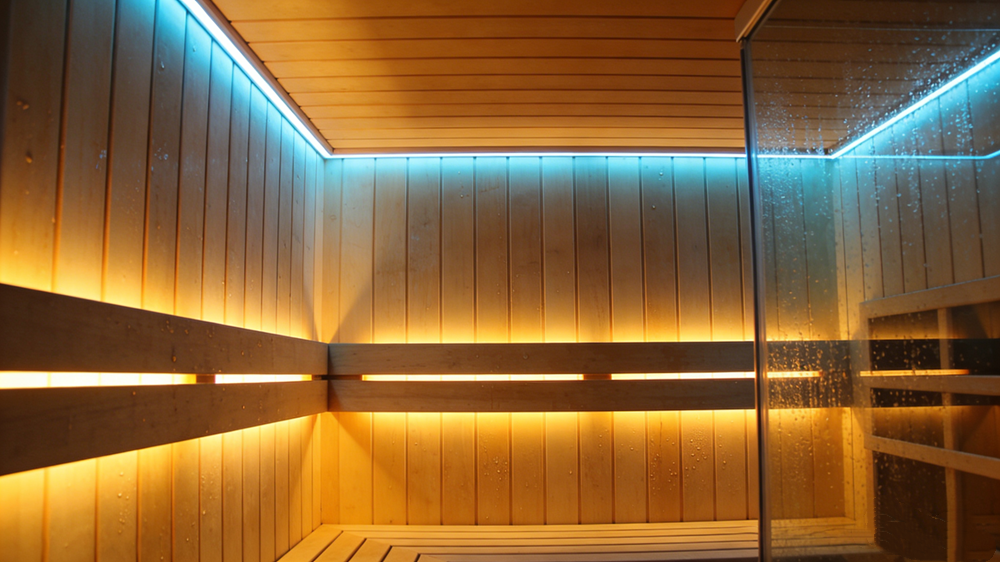
- Environmental exposure
A standard LED strip may work technically, but not optimally.
Better Performance and Reliability
Customized LED strips allow:
- Correct voltage selection (12V / 24V / constant current)
- Optimized LED density
- Proper heat dissipation
- Stable long-run performance
This significantly reduces failure rate and maintenance costs.
Compliance With Local Standards
Many projects require:
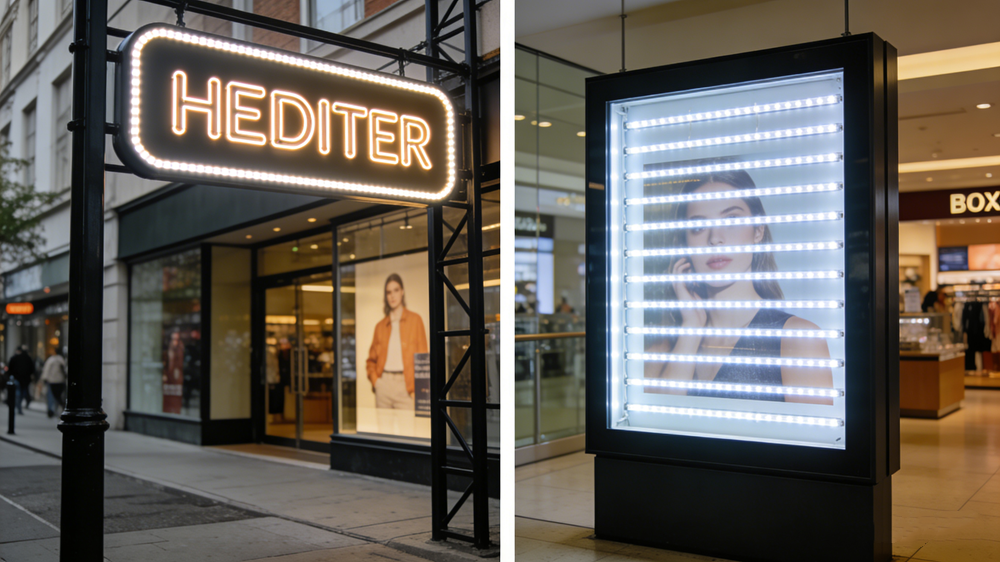
- CE / RoHS / UL compliance
- Specific IP ratings
- Fire safety or EMC requirements
Customization ensures the product meets target market regulations.
Brand Differentiation
OEM & ODM services allow customers to:
- Build private-label products
- Maintain consistent product identity
- Control quality and specification
What Can Be Customized in LED Strip Lighting
A professional LED strip manufacturer can customize almost every aspect of the product.
LED Chip & Optical Parameters
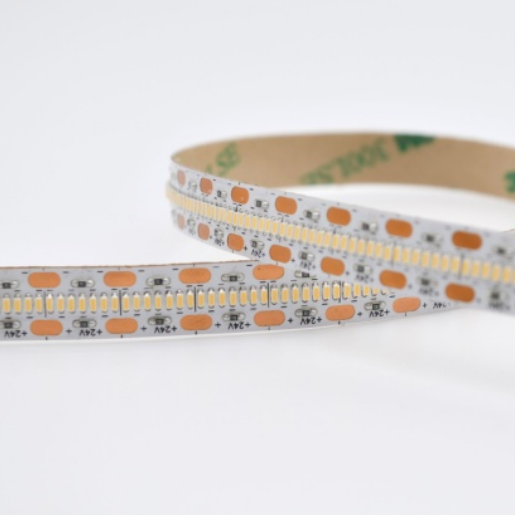
- LED type (SMD 2835, 3528, 5050, 2216, COB, etc.)
- Luminous efficacy
- CRI (80 / 90 / 95+)
- Color temperature (single CCT or tunable)
- Color binning consistency
Electrical Specifications
- Voltage (5V / 12V / 24V / constant current)
- Power per meter
- Cutting length
- Circuit design for long runs
PCB Design
- PCB width (as narrow as 5mm or 8mm)
- Copper thickness
- White or black PCB
- Flexible or rigid structure
Waterproof & Protection Level
- IP20 (indoor)
- IP65
- IP67 / IP68
Control & Dimming
- Single color / CCT / RGB / RGBW / Digital
- PWM, DALI, DMX, Zigbee compatibility
- Smart lighting system integration
Mechanical & Installation Design
- Free-cut design
- Side-view or top-view
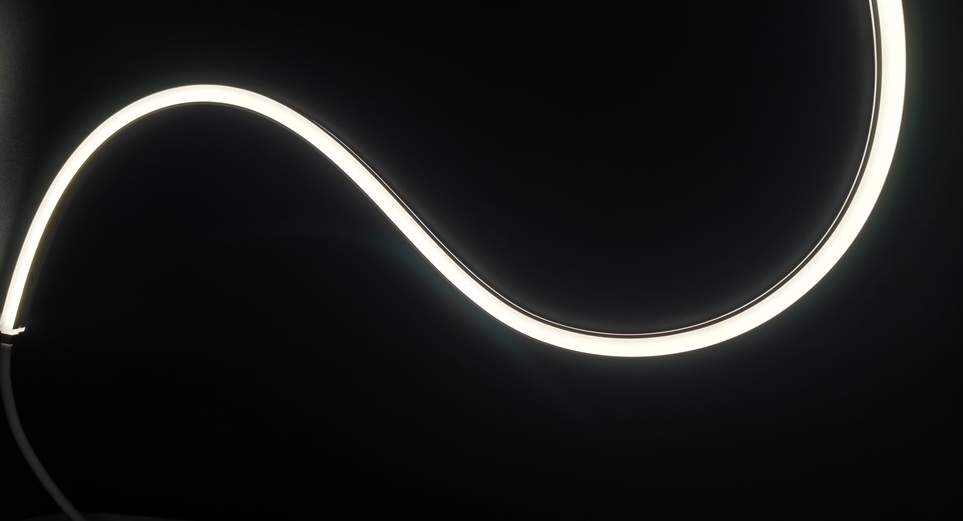
- Special shapes (S-shape, zigzag)
- Neon flex or LED sheet formats
Branding & Packaging
- Private label printing
- Custom packaging
- User manuals
- Barcodes and logistics labeling
The Complete LED Strip Customization Process
Understanding the customization process helps customers work efficiently with manufacturers and avoid delays or misunderstandings.
Step 1: Requirement Communication
The first and most important step.
Customers typically provide:
- Application scenario
- Installation environment
- Target brightness and color
- Voltage and control requirements
- Certification needs
- Estimated order quantity
📌 Tip: The more detailed the initial information, the faster and more accurate the solution.
Step 2: Technical Evaluation & Proposal
The manufacturer’s engineering team:
- Reviews feasibility
- Suggests suitable LED types and circuits
- Optimizes performance and cost
- Identifies potential risks
A technical proposal is provided, including:
- Product structure
- Electrical parameters
- Estimated lead time
- MOQ requirements
Step 3: Sample Development
Once specifications are confirmed:
- Samples are produced
- Testing is performed (brightness, color, stability)
- Customer receives samples for evaluation
This stage may include multiple revisions to fine-tune performance.
Step 4: Testing & Validation
Before mass production, samples are tested for:
- Lumen output
- Color consistency
- Heat performance
- Aging stability
- Waterproof sealing (if required)
Customer approval is required before proceeding.
Step 5: Cost Confirmation & Order Placement
After final confirmation:
- Unit price is finalized
- Packaging and branding are confirmed
- Production schedule is set
- Clear documentation avoids future disputes.
Step 6: Mass Production
During production:
- Strict quality control is applied
- Key parameters are monitored
- Aging tests are performed
- Experienced manufacturers maintain low defect rates and stable consistency.
Step 7: Final Inspection & Shipment
Before shipment:
- Visual inspection
- Functional testing
- Packaging inspection
Products are then shipped according to customer logistics requirements.
OEM vs ODM: Which One Should You Choose?
Choose OEM If:
- You already have technical specifications
- You need strict product consistency
- You manage your own product design
Choose ODM If:
- You need engineering support
- You want product optimization
- You are developing new product lines
Many customers start with ODM and gradually transition to OEM.
Common Mistakes in LED Strip Customization
- Unclear requirements
- Ignoring heat management
- Underestimating certification timelines
- Choosing price over stability
- Skipping sample testing
A professional supplier will actively help avoid these mistakes.
How to Choose the Right Custom LED Strip Manufacturer
A reliable OEM & ODM partner should offer:
- Strong engineering team
- Stable LED sourcing
- Clear communication
- Proven export experience
- Consistent quality control
- Fast response and lead time
- Long-term cooperation matters more than one-time pricing.
Conclusion
Custom LED strip lighting is not complicated when handled by an experienced manufacturer with structured OEM & ODM processes. From requirement analysis to final delivery, each step ensures the final product matches the project’s real needs, performs reliably, and meets regulatory standards.
For professional lighting projects, customization is no longer optional — it is essential.
Other articles:
How to light your kitchen-kitchen design lighting guide
From flat to fabulous: transform walls with LED lighting
This shelf lighting is magic: transform your space with LED strip lights
As a bespoke lighting solution provider, Yiholight specializes in high-quality LED strips and neon flex. Our products are engineered for durability, brightness, and ease of installation—trusted by B2B customers across the globe.
Contact us today to explore the best LED lighting for your business!
© [Yiholight] and [www.yiholight.com]. Unauthorized use or duplication of this material is strictly prohibited without express written permission from the site’s author or owner. Excerpts and links may be used, provided full, clear credit is given to [Yiholight] and [www.yiholight.com], with appropriate, specific direction to the original content.