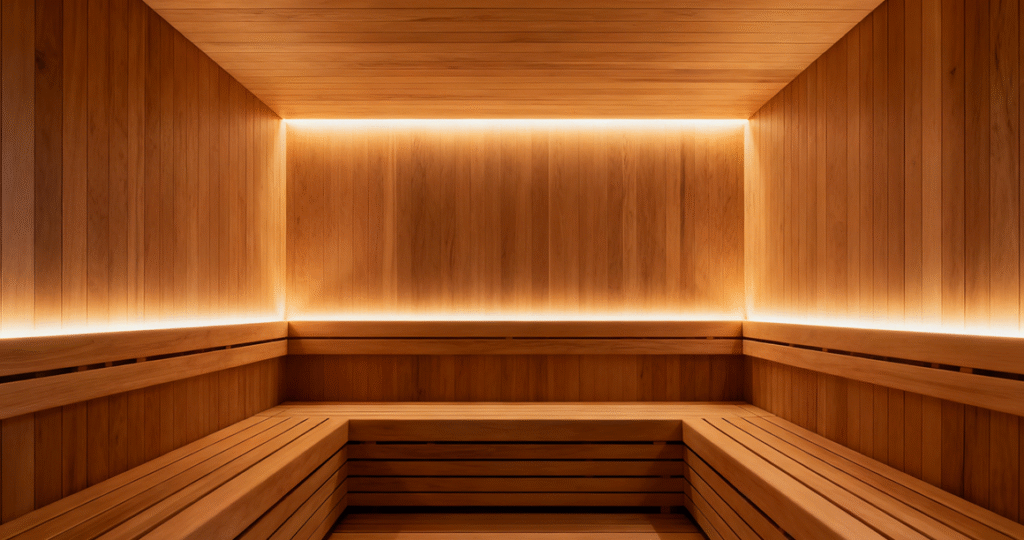
Saunas have evolved from a Nordic tradition into a global wellness trend. Today, homeowners, hotels, spas, gyms, and sauna manufacturers are increasingly integrating LED strip lighting into sauna designs to improve both atmosphere and safety.
Unlike standard lighting, sauna lighting must withstand extreme heat, humidity, and continuous operation. This is where specialized sauna LED strip lights become essential.
In this guide, we’ll explain what sauna LED lighting is, where to install it, how to choose the right specifications, and what buyers should know before purchasing.
Table of Contents
What Are Sauna LED Strip Lights?
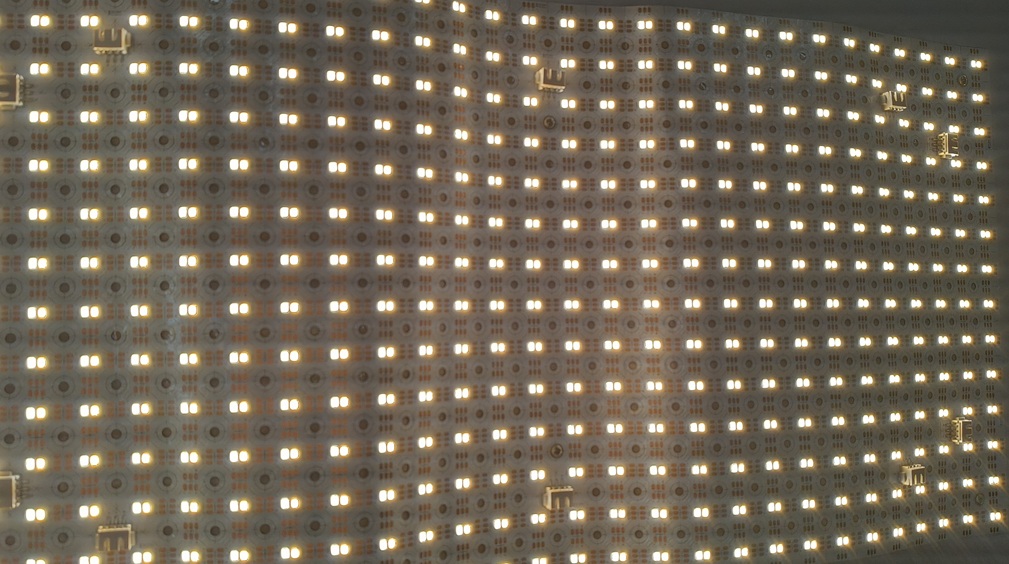
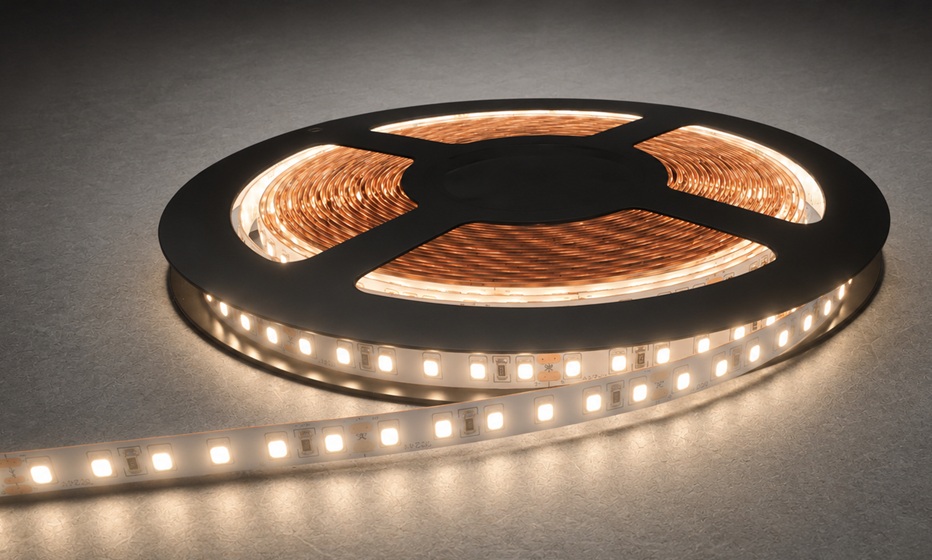
Sauna LED strip lights are specially designed lighting systems built for high-temperature and high-humidity environments.
Compared with ordinary LED strips, sauna-rated LED strips usually feature:
-
Low-voltage operation (12V or 24V) for improved safety
-
Heat-resistant silicone encapsulation
-
Waterproof protection (IP65, IP67, or IP68)
-
High-temperature resistance up to 80°C–100°C
-
Low UV and low infrared output to protect sauna wood surfaces
-
Available in warm white, tunable white, RGB, or RGBW options
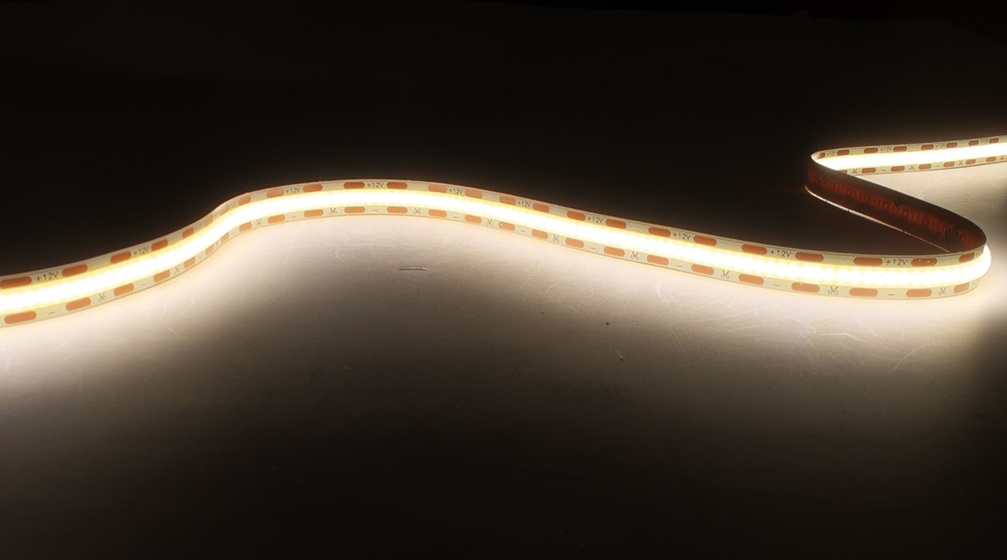
Many manufacturers use COB LED strips or fully encapsulated silicone neon flex because they provide smooth, dot-free lighting and better durability.
Why Use LED Strip Lights in a Sauna?
Better Safety
Sauna environments combine heat, moisture, and wood structures, making electrical safety critical. Low-voltage LED strip systems significantly reduce electrical risks.
Heat & Moisture Resistance
Standard LED strips often fail under sauna conditions. Sauna-specific strips are sealed and engineered to survive high heat and steam exposure.
Lower Energy Consumption
Compared to halogen or incandescent lighting, LED strips consume less power and require less maintenance.
This is especially important for:
-
Hotels
-
Commercial spas
-
Wellness centers
-
Public sauna facilities
Flexible Installation
LED strip lights can be installed in hidden areas such as:
-
Behind sauna backrests
-
Under benches
-
Ceiling coves
-
Step lighting
-
Wall grooves
This creates modern indirect lighting effects.
Wellness Enhancement
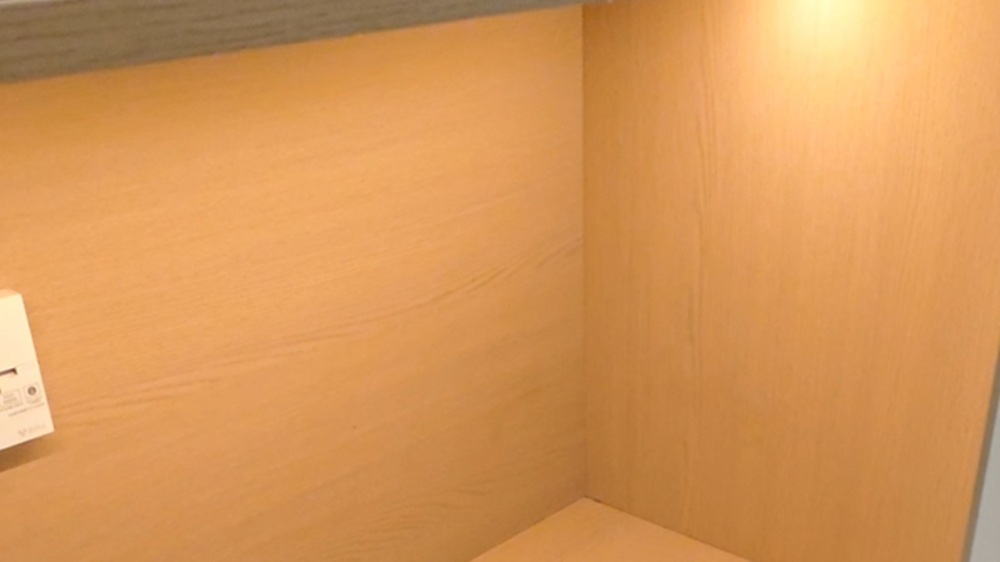
Warm white lighting (2700K–3000K) creates a relaxing atmosphere, while RGBW lighting supports chromotherapy experiences increasingly used in luxury spa environments.
Who Buys Sauna LED Lighting?
Sauna lighting buyers usually include:
Residential Sauna Owners
Home sauna installations continue to grow worldwide, especially in North America and Europe.
Sauna Manufacturers (OEM)
Many sauna cabin manufacturers integrate LED strips into pre-built sauna systems.
Hotels & Wellness Resorts
Premium hospitality projects use sauna lighting to improve guest experience.
Gym & Recovery Centers
Fitness centers increasingly install sauna and recovery rooms.
Contractors & Architects
Commercial builders need safe, compliant sauna lighting for custom projects.
Best Places to Install Sauna LED Strip Lights
Correct placement improves both comfort and lifespan.
Under Bench Lighting
One of the most popular applications. Creates soft ambient lighting while hiding the light source.
Behind Backrests
Provides comfortable indirect lighting without glare.
Ceiling Cove Lighting
Highlights wood textures and creates premium visual depth.
Floor and Step Lighting
Improves visibility and safety.
Door Frame Lighting
Useful for safer entry and exit in darker sauna rooms.
Important Installation Tips
Sauna LED installation requires extra care.
Keep Power Drivers Outside
Always install LED drivers outside the sauna chamber.
High heat significantly reduces driver lifespan.
Use Heat-Resistant Cables
Use silicone wires or high-temperature rated cables.
Choose Proper IP Protection
Recommended:
-
IP65 for dry sauna
-
IP67 for wet sauna
-
IP68 for steam room applications
Use Aluminum Profiles
Aluminum channels help:
-
dissipate heat
-
protect LED strips
-
improve installation appearance
Avoid Direct Heater Exposure
Never place LED strips near sauna heaters or direct heat zones.
How to Choose the Right Sauna LED Strip?
Here’s a quick specification guide:
| Specification | Recommended |
|---|---|
| Voltage | 24V DC |
| IP Rating | IP65–IP68 |
| Color Temperature | 2700K–3000K |
| CRI | 90+ |
| Strip Type | COB LED Strip |
| Housing | Silicone Encapsulated |
| Max Temperature | 80°C–100°C |
For premium sauna projects, high CRI COB LED strips are often the best choice because they provide smooth, glare-free illumination.
Sauna Lighting Trends in 2026
The sauna market continues growing globally.
Finland
Finland remains the world’s largest sauna market per capita.
United States
United States home sauna demand continues rising as wellness becomes mainstream.
Australia
Australia has seen increasing demand for outdoor and residential saunas.
Asia
Countries like Japan and South Korea are expanding luxury wellness and recovery facilities.
These trends are driving demand for:
-
sauna LED strips
-
heat-resistant lighting
-
waterproof wellness lighting
-
OEM sauna lighting systems
FAQ About Sauna LED Strip Lights
Can regular LED strip lights be used in a sauna?
No. Standard LED strips are not designed for high heat or moisture and may fail quickly.
What is the best IP rating for sauna lights?
IP65 minimum. IP67 or IP68 is preferred for steam-heavy environments.
What color temperature is best for sauna lighting?
Warm white 2700K–3000K is most commonly used because it creates a relaxing atmosphere.
Can RGB LED strips be used in saunas?
Yes, if they are sauna-rated and properly sealed.
How long do sauna LED strips last?
High-quality sauna-rated LED strips typically last 30,000–50,000 hours.
Conclusion
Sauna LED strip lighting has become an essential part of modern sauna design.
With the right heat-resistant, waterproof, and low-voltage LED system, you can improve safety, reduce maintenance, and create a premium wellness experience.
For OEM sauna manufacturers, contractors, and wellness brands, choosing the right sauna LED strip supplier is critical for long-term reliability and project success.
Other articles
Sauna & Steam Room LED Strip Lighting: Special Requirements You Must Know
How to Design Sauna LED Strip Lighting by Temperature Zone
Best Sauna Light Colors: Warm White, Tunable White, or RGBW
Commercial Sauna Lighting for Hotels and Spas
As a bespoke lighting solution provider, Yiholight specializes in high-quality LED strips and neon flex. Our products are engineered for durability, brightness, and ease of installation—trusted by B2B customers across the globe.
Contact us today to explore the best LED lighting for your business!
© [Yiholight] and [www.yiholight.com]. Unauthorized use or duplication of this material is strictly prohibited without express written permission from the site’s author or owner. Excerpts and links may be used, provided full, clear credit is given to [Yiholight] and [www.yiholight.com], with appropriate, specific direction to the original content.