When sourcing LED strips for commercial, architectural, or OEM projects, buyers often compare specifications such as brightness, power, and price. However, one of the most critical factors affecting reliability and lifespan is hidden inside the LED package: the bonding wire.
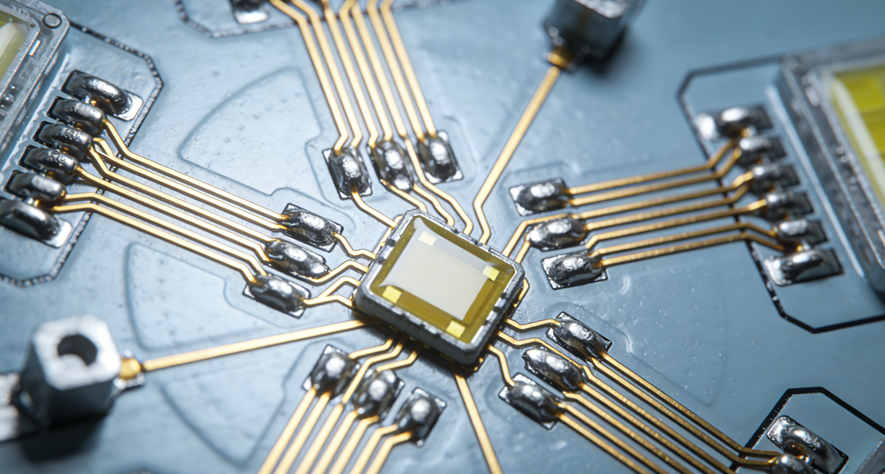
The bonding wire connects the LED chip to the electrical contact. This microscopic component plays a major role in determining whether an LED strip lasts 50,000 hours—or fails prematurely.
Professional LED strip manufacturers use gold wire bonding, while many low-cost suppliers use alloy wire to reduce costs. This difference directly impacts product reliability, project risk, and long-term maintenance costs.
For distributors, contractors, and lighting brands, understanding this difference is essential for choosing reliable LED strip suppliers.
Table of Contents
What Is Bonding Wire and Why It Matters
Inside every LED package, a semiconductor chip produces light when current flows through it. The bonding wire connects the chip to the external circuit, allowing the LED to function.
This wire must maintain stable performance under:
- Continuous electrical current
- High operating temperatures
- Thermal expansion and contraction
- Humidity and environmental exposure
- Long-term operation (30,000–50,000+ hours)
If the bonding wire fails, the LED fails. Therefore, bonding wire material is a critical reliability factor.
The Two Main Bonding Wire Materials Used in LED Strips
Gold Wire (Premium Quality)
Gold wire is used in high-quality LED strips designed for professional applications.
Advantages include:
- Excellent electrical conductivity
- Outstanding corrosion resistance
- Superior thermal stability
- Extremely long lifespan
- Very low failure rate
Gold wire ensures stable performance even in demanding environments.
Alloy Wire (Cost-Reduction Alternative)
Alloy wire is typically made from copper alloy or silver alloy and is used in lower-cost LED strips.
Although cheaper, alloy wire has major disadvantages:
- More vulnerable to corrosion
- Higher failure risk
- Shorter lifespan
- Reduced reliability
This is one of the most common cost-cutting methods in low-priced LED strips.
Why Gold Wire LED Strips Are Essential for Professional Projects
Significantly Longer Lifespan
Gold wire maintains stable electrical connections for tens of thousands of hours.
This ensures LED strips can reach their expected lifespan of:
- 30,000 to 50,000 hours
- Or more under proper thermal management
Alloy wire is more prone to degradation, which accelerates LED failure.
For projects such as hotels, retail stores, and architectural lighting, replacing failed LED strips can be expensive and disruptive.
Gold wire reduces this risk.
Lower Failure Rate and Warranty Risk
LED strip failure often occurs due to bonding wire degradation caused by:
- Heat
- Oxidation
- Thermal stress
- Environmental exposure
Gold wire’s resistance to these factors ensures much lower failure rates.
This is especially important for:
- Lighting brands
- Distributors
- Contractors
- OEM customers
Lower failure rates reduce warranty claims and protect brand reputation.
Superior Corrosion Resistance
Many LED strips are installed in environments such as:
- Coastal regions
- Humid climates
- Outdoor installations
- Industrial environments
Gold does not oxidize or corrode.
Alloy wire, especially copper-based wire, is vulnerable to:
- Oxidation
- Sulfur corrosion
- Moisture damage
Corrosion weakens the electrical connection and eventually causes LED failure.
Gold wire eliminates this risk.
More Stable Brightness Over Time
One common issue with low-quality LED strips is brightness degradation.
This happens when unstable electrical connections reduce current efficiency.
Gold wire maintains stable conductivity, ensuring:
- Consistent brightness
- Slower lumen depreciation
- Better long-term performance
This is critical for professional lighting applications requiring consistent visual quality.
Better Performance in High-Power LED Strips
High-power LED strips generate more heat, increasing stress on internal components.
Gold wire’s thermal stability ensures reliable operation even under high power conditions.
Alloy wire is more vulnerable to heat damage, increasing failure risk.
This is especially important for:
- High-output LED strips
- Architectural lighting
- Commercial lighting applications
Hidden Risk of Low-Cost LED Strips Using Alloy Wire
Many low-cost LED strips look identical externally but use lower-grade internal components.
This creates hidden risks such as:
- Premature failure
- Uneven lighting
- Dead LEDs
- Higher maintenance cost
- Customer complaints
- Brand reputation damage
These risks often appear after installation, when replacement is costly.
For distributors and lighting brands, this can result in significant financial loss.
Why Professional LED Strip Manufacturers Use Gold Wire
Professional manufacturers prioritize long-term reliability over short-term cost savings.
Gold wire ensures:
- Reliable product performance
- Lower failure rate
- Longer lifespan
- Better customer satisfaction
- Reduced warranty claims
This is especially important for OEM and private label customers building their brand reputation.
Yiholight Uses Gold Wire to Ensure Premium Quality
Yiholight uses gold wire bonding in all LED strip products to ensure maximum reliability and long-term performance.
This supports customers including:
- Lighting brands
- Distributors
- Contractors
- OEM and private label customers
Combined with strict quality control, high-quality PCB materials, and aging tests, this ensures stable and reliable performance across all applications.
This quality commitment helps customers reduce project risk and strengthen their market competitiveness.
Gold Wire vs Alloy Wire: Buyer Comparison Guide
|
Factor |
Gold Wire LED Strip |
Alloy Wire LED Strip |
|
Lifespan |
50,000+ hours |
Shorter lifespan |
|
Failure rate |
Very low |
Higher |
|
Corrosion resistance |
Excellent |
Moderate to poor |
|
Reliability |
High |
Lower |
|
Brightness stability |
Excellent |
Moderate |
|
Warranty risk |
Low |
Higher |
|
Maintenance cost |
Low |
Higher |
|
Long-term ROI |
Excellent |
Lower |
Why This Matters for OEM Buyers and Distributors
Choosing gold wire LED strips provides clear business advantages:
- Reduced warranty claims
- Higher customer satisfaction
- Lower replacement costs
- Better brand reputation
- Greater long-term profitability
For OEM brands and distributors, product reliability is critical to business success.
Conclusion: Internal Quality Determines Long-Term Value
The bonding wire inside an LED strip may be invisible, but it plays a decisive role in performance and reliability.
Gold wire provides:
- Superior durability
- Longer lifespan
- Better resistance to environmental damage
- Lower failure risk
For professional lighting projects, gold wire LED strips offer significantly better long-term value.
When selecting LED strip suppliers, buyers should always prioritize internal quality—not just price.
Other articles:
LED lighting for office spaces: benefits, applications and design tips
From flat to fabulous: transform walls with LED lighting
This shelf lighting is magic: transform your space with LED strip lights
As a bespoke lighting solution provider, Yiholight specializes in high-quality LED strips and neon flex lights. Our products are engineered for durability, brightness, and ease of installation—trusted by B2B customers across the globe.
Contact us today to explore the best LED lighting for your business!
© [Yiholight] and [www.yiholight.com]. Unauthorized use or duplication of this material is strictly prohibited without express written permission from the site’s author or owner. Excerpts and links may be used, provided full, clear credit is given to [Yiholight] and [www.yiholight.com], with appropriate, specific direction to the original content.