LED strip lighting has rapidly become one of the most popular lighting solutions in both residential and commercial environments. With its flexibility, efficiency, and adaptability, LED strips are redefining how we light spaces, highlight architectural features, and create mood and atmosphere. But what exactly are LED strip lights — and why are they used everywhere from homes and stores to hotels and offices?
In this article, we’ll answer that in detail and break down the essentials you need to know before choosing LED strip lighting for your next lighting project.
Table of Contents
What Are LED Strip Lights?
At its core, an LED strip light is a flexible circuit board populated with multiple LED chips that emit light along its length when powered.
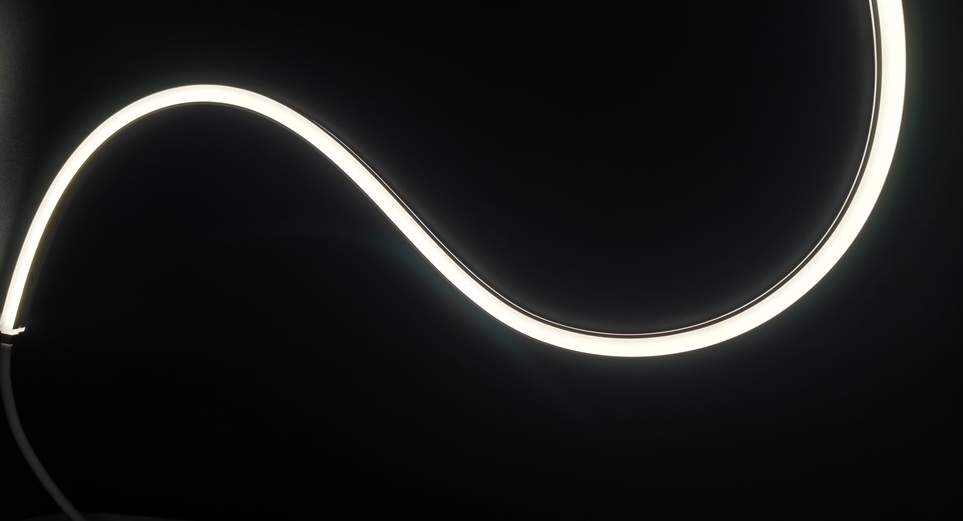
Unlike traditional light bulbs or fixtures, LED strip lights are thin, flexible, and can be easily cut or shaped to fit a wide variety of spaces. This unique form factor makes them ideal for both functional and decorative lighting.
LED strips are often mounted with adhesive backing and can be installed under cabinets, along ceilings, inside coves, or within architectural details where traditional lighting solutions simply can’t reach.
How LED Strip Lights Work
LED stands for Light-Emitting Diode — a semiconductor that emits light when an electric current passes through it. In a strip configuration, many tiny LED chips are placed on a long, narrow circuit board (PCB) with resistors and other components to regulate current and optimize performance. This creates a continuous line of light instead of individual points, making LED strips ideal for both accent and general illumination.
Because LEDs are much smaller than traditional bulbs, they draw significantly less power and produce far less heat while delivering a bright and consistent output.
Key Features of LED Strip Lighting
Before we dive into why LED strips are so widely used, it helps to understand what makes them so unique and versatile.
Flexibility and Customization
One of the biggest advantages of LED strip lights is their flexible design. They can bend around corners, follow curves, and be cut to specific lengths without complicated tools — perfect for customized lighting layouts in both simple and complex installations.
Slim and Discreet Form
Because they are so thin and unobtrusive, LED strips can be hidden within architectural features, behind coves, under shelves, or along edges to provide beautiful, indirect lighting without exposing the light source itself.
Energy Efficiency
LED strip lights consume significantly less energy than traditional lighting sources like incandescent or fluorescent bulbs. This makes them ideal for applications where lights are on for extended periods.
Low Heat Emission
LED technology generates very little heat compared to conventional lighting, increasing safety and reducing the risk of heat-related damage to surrounding materials.
Variety of Light Outputs and Effects
LED strips are available in different brightness levels, color temperatures, and even full RGB (color-changing) or tunable white options, offering limitless possibilities for mood lighting, task lighting, or dynamic effects.
Why LED Strip Lighting Is So Widely Used
Now let’s get into why LED strip lighting has become so popular — and why the trend continues to grow across different industries and applications.
Versatility Across Applications
LED strips are incredibly versatile. They work just as well in a kitchen or living room as they do in a retail space, hotel lobby, or architectural installation. You can use them for:
- Accent lighting to highlight walls, shelves, or artwork
- Task lighting under cabinets
- Ambient lighting in lounges or bedrooms
- Decorative lighting in hospitality spaces
- Functional lighting in commercial or industrial environments
This flexibility makes them a go-to solution for both everyday and creative lighting needs.
Easy Installation
Most LED strip lights come with adhesive backing, allowing simple “peel-and-stick” installation onto clean surfaces. For larger projects or long runs, they can also be mounted in aluminum profiles that act both as heat sinks and aesthetic channels, giving a professional finish.
This means no major construction work or complicated wiring is often needed — an appealing advantage for home DIYers and professionals alike.
Energy Savings and Long Life
Energy efficiency is one of the defining advantages of LED strip lighting. LED technology can use up to 80% less energy than traditional lighting options while offering a long lifespan (often 25,000–50,000+ hours).
This results in lower electricity bills and reduced maintenance costs over time — a major benefit for high-use commercial and residential applications.
Design Flexibility and Control
LED strips can be paired with dimmers, controllers, and smart systems to create lighting that adapts to different moods and settings. From warm cozy glows to crisp task lighting, the ability to adjust brightness and color makes LED strips useful in nearly every environment.
Furthermore, smart LED strips with color changing RGB or tunable white options allow dynamic effects, scene settings, or even integration with voice assistants or automation systems, enhancing both convenience and experience.
Aesthetic and Functional Integration
Unlike standalone fixtures that demand attention, LED strip lights can be built into architecture, furniture, or design features so that they illuminate a space without becoming the focal point themselves. This allows lighting to complement design rather than compete with it — a subtle but powerful design advantage.
They’re also ideal for highlighting architectural lines, textured surfaces, or decorative elements without harsh shadows — contributing to both aesthetic value and functional illumination.
Common Spaces Where LED Strip Lighting Shines
Here are some examples of where LED strip lights are most commonly used — and why they’re chosen:
Residential Spaces
LED strip lights are frequently chosen in homes for under-cabinet kitchen lighting, accent lighting in living rooms, stair lighting, and coves in ceilings to create cozy ambient light.
Commercial Interiors
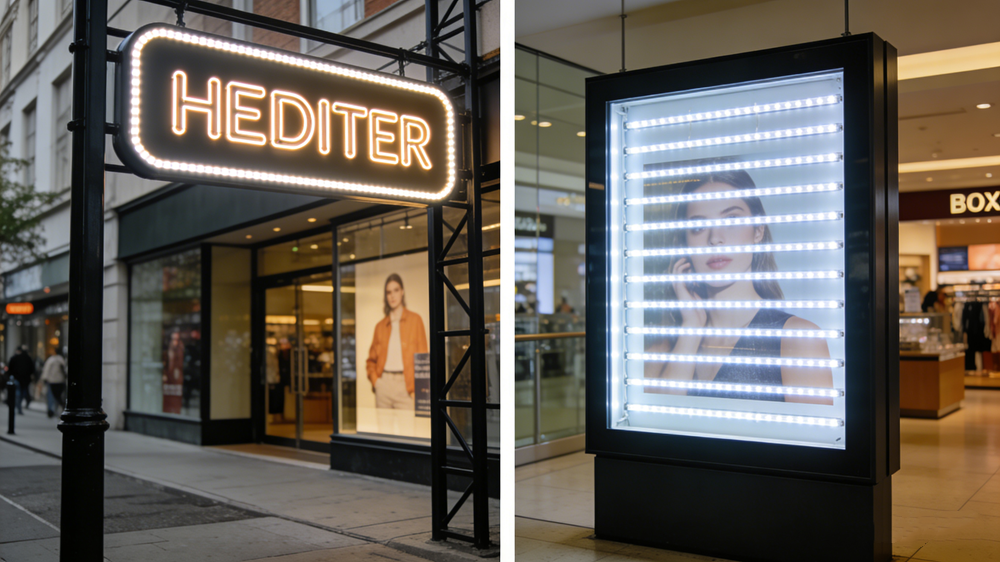
Retail spaces use LED strips to highlight products and displays, while offices employ them for task lighting and improved workspace environments.
Hospitality and Events
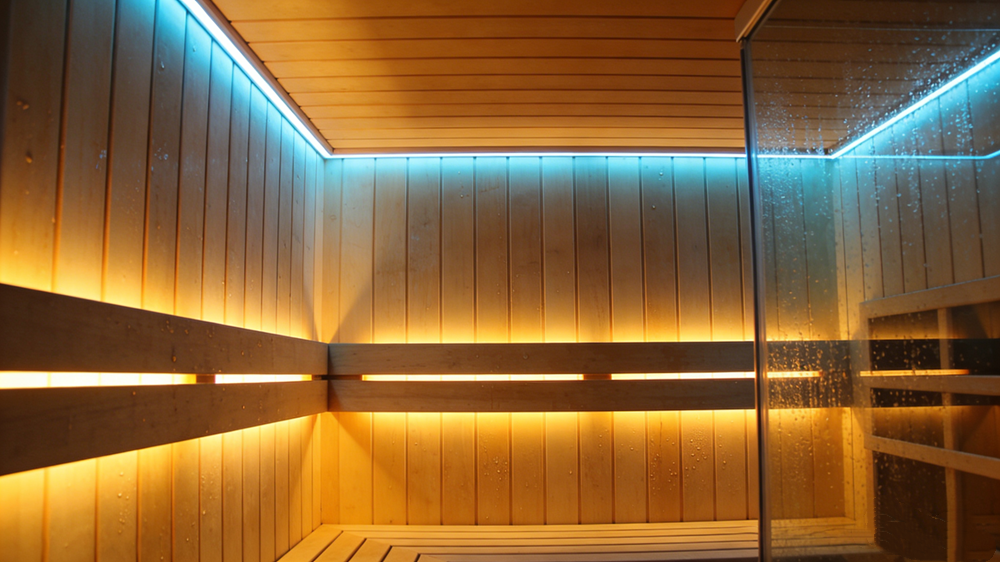
Hotels and restaurants use LED strips to set moods, enhance ambiance, and define spaces, while events and exhibitions lean into dynamic and color-changing strips to create visual impact.
Architectural Lighting
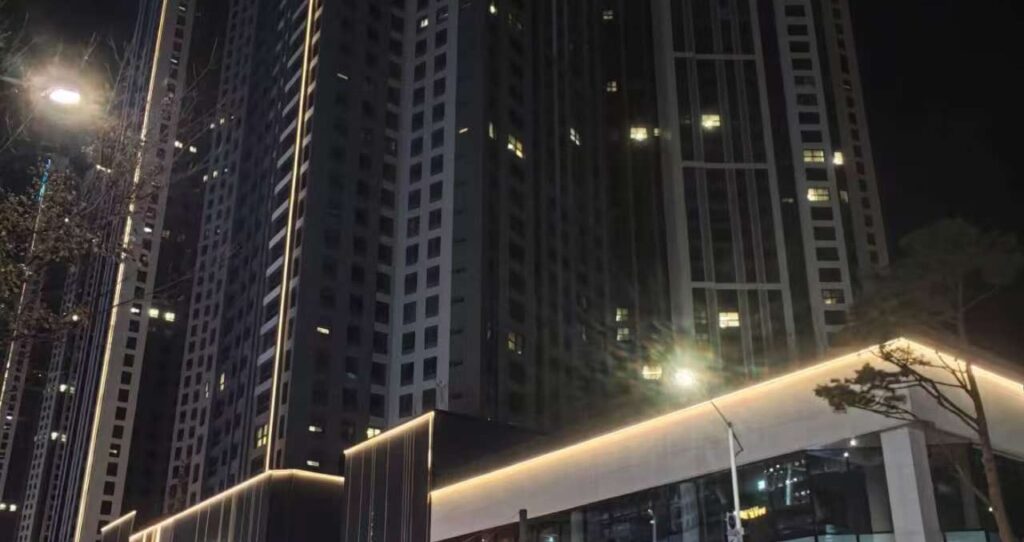
Architects and designers integrate LED strips in ceilings, walls, and facades to emphasize structure and promote visual coherence.
Final Thoughts
LED strip lighting is more than just a trend — it’s a lighting solution that combines functionality, creativity, energy efficiency, and design freedom. Whether you’re lighting a cozy home kitchen or a large commercial space, LED strip lights offer options that traditional lighting simply can’t match.
Understanding what LED strips are and how they work opens up endless possibilities for lighting your space in smarter, more beautiful ways.
Other articles:
How to light your kitchen-kitchen design lighting guide
From flat to fabulous: transform walls with LED lighting
This shelf lighting is magic: transform your space with LED strip lights
As a bespoke lighting solution provider, Yiholight specializes in high-quality LED strips and neon flex. Our products are engineered for durability, brightness, and ease of installation—trusted by B2B customers across the globe.
Contact us today to explore the best LED lighting for your business!
© [Yiholight] and [www.yiholight.com]. Unauthorized use or duplication of this material is strictly prohibited without express written permission from the site’s author or owner. Excerpts and links may be used, provided full, clear credit is given to [Yiholight] and [www.yiholight.com], with appropriate, specific direction to the original content.